Repeated high blood pressure readings deserve proper evaluation, especially when they occur alongside diabetes, kidney concerns, obesity, abnormal cholesterol, or a family history of cardiovascular disease. Finding a High Blood Pressure Specialist should therefore involve evaluating how thoroughly the underlying risk factors and long-term treatment needs are addressed.
For patients in Kopar Khairane, Maharashtra, several practical indicators can help when selecting medical care.
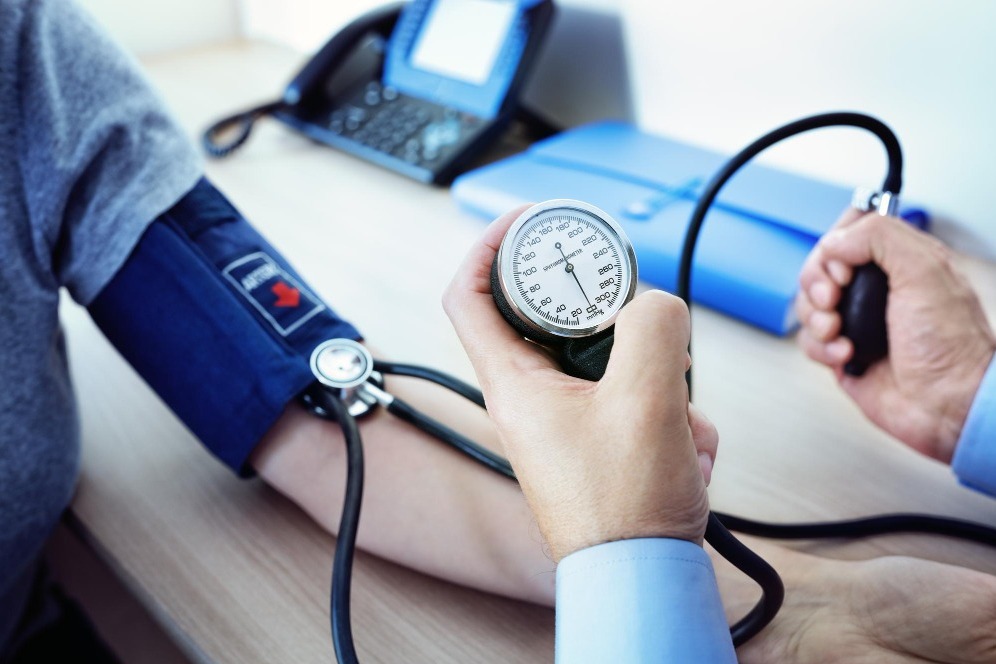
Confirm That Blood Pressure Is Being Measured Correctly
Incorrect technique can produce misleading readings.
The cuff should be suitable for the patient's arm size, and measurements are generally more reliable when taken after a short period of rest. Recent exercise, caffeine and stress can affect results.
Repeated home readings may help a physician understand the pattern more accurately.
Expect an Assessment Beyond the Number
Hypertension management involves more than lowering a reading.
A physician may review:
- Family history
- Diabetes status
- Kidney health
- Cholesterol
- Weight
- Dietary salt intake
- Physical activity
- Tobacco use
- Current medicines
- Cardiovascular symptoms
This broader assessment helps determine overall risk and appropriate treatment intensity.
Understand the Treatment Process
Some people can improve blood pressure through meaningful lifestyle changes, while others require medication alongside those measures.
Treatment may be adjusted gradually according to response.
There is no standard recovery period because hypertension is frequently a long-term condition. The objective is sustained control and risk reduction rather than a temporary decrease in readings.
Know the Benefits of Regular Monitoring
Follow-up helps determine whether blood pressure is consistently controlled rather than occasionally normal.
It also allows the physician to assess medication tolerance and review other cardiovascular risk factors.
Dr. Arif Sheikh provides chronic disease and internal medicine evaluation for patients in Kopar Khairane, including assessment of hypertension alongside diabetes and cardiovascular health.
Understand Treatment Risks
Blood pressure that falls too low may cause dizziness or weakness in some patients. Certain medications can affect electrolytes, kidney function, heart rate, or cause other specific side effects.
This is why medicines should be reviewed rather than adjusted without guidance.
What to Do Before Your Appointment
Record blood pressure readings at approximately consistent times over several days when possible.
Bring your monitor if you are uncertain whether it is being used correctly. Also bring prescriptions, test reports and details of any supplements or over-the-counter medicines.
After treatment begins, continue monitoring as recommended. Report persistent dizziness, unusual weakness, swelling, or other concerning symptoms.
Frequently Asked Questions
When is high blood pressure an emergency?
Very high readings accompanied by symptoms such as chest pain, severe breathlessness, neurological symptoms, confusion, or severe acute illness require urgent medical assessment.
Can exercise help hypertension?
Regular appropriate physical activity can support blood pressure management, although exercise recommendations should reflect individual health status.
Will medication be lifelong?
Treatment duration differs among patients. Decisions about reducing or stopping medicine should be based on medical review.
Choosing a High Blood Pressure Specialist in Kopar Khairane should focus on accurate diagnosis, cardiovascular risk assessment, appropriate treatment and reliable follow-up.
Keywords