Prediabetes raises the risk of type 2 diabetes, but it does not make progression inevitable. By confirming the result, identifying your risk level and following a measurable prevention plan, you can make informed choices about lifestyle treatment, monitoring and—when appropriate—medication.
Key takeaways
- Prediabetes includes HbA1c 5.7%–6.4% or fasting glucose 100–125 mg/dL.
- Weight loss, regular activity and dietary changes can substantially reduce diabetes risk.
- Discuss metformin if lifestyle changes are insufficient or your risk is particularly high.
- Track HbA1c and glucose trends instead of reacting to one isolated result.
What counts as prediabetes, and which test confirms it?
Prediabetes is a high-risk glucose state, not a guarantee that type 2 diabetes will develop. The prediabetes definition uses any of these ranges: HbA1c 5.7%–6.4%, fasting plasma glucose 100–125 mg/dL, or 2-hour glucose 140–199 mg/dL after a 75-gram oral glucose tolerance test.
| Test | What it measures | What it cannot establish alone |
|---|---|---|
| HbA1c | Average blood glucose over roughly 2–3 months | It can be misleading with anemia, hemoglobin variants, kidney disease or recent blood loss |
| Fasting plasma glucose | Blood glucose after at least 8 hours without food | One reading cannot confirm a lasting pattern or predict progression |
| Oral glucose tolerance test | How your body handles glucose two hours after drinking 75 grams | It reflects one test day and does not replace broader risk assessment |
A clinician confirms an abnormal result by repeating the same test or using another test, especially when results disagree. Diabetes requires diabetes-range results, not merely a prediabetes value.
For accurate testing, follow the laboratory’s instructions. Fast overnight for fasting glucose or the oral glucose tolerance test; drink water, but avoid food, sweet drinks and strenuous exercise during the fasting period. HbA1c does not require fasting.
Tell the clinician about pregnancy, medicines, anemia, kidney disease, recent bleeding or transfusion before testing, because these details affect interpretation.
How much can early lifestyle treatment lower diabetes risk?
The Diabetes Prevention Program found that intensive lifestyle treatment reduced progression to type 2 diabetes by 58% over about three years, compared with placebo. Its targets were at least 7% weight loss and 150 minutes of moderate activity each week.
This is risk reduction, not a guarantee: some people progress, while others return to the normal glucose range.
You do not need to reach a “normal” weight to benefit. Losing 5%–7% of starting weight, becoming more active and reducing sitting time can improve insulin sensitivity; greater weight loss produced greater benefit in the study, while physical activity helped even when weight goals were missed.
Structured programs provide more reliable support than general advice to “eat better.”
| Option | Practical target | What it adds |
|---|---|---|
| Weight loss | 5%–7% of starting weight | Improves insulin sensitivity and glucose control |
| Aerobic activity | 150 minutes weekly of moderate-intensity activity, such as brisk walking | Lowers risk even without full weight loss |
| Resistance training | Two or more sessions weekly; resistance training for prediabetes prevention | Builds muscle that uses glucose |
| Diet | Replace sugary drinks and refined carbohydrates with vegetables, legumes, whole grains and protein | Improves diet quality and calorie control |
| Smoking cessation | Stop tobacco exposure | Reduces cardiovascular risk alongside diabetes risk |
| Sleep and sedentary time | Keep a regular sleep schedule and break up prolonged sitting | Supports appetite, metabolism and blood pressure |
The benefit can persist, but it is not permanent prevention: after about 15 years, lifestyle intervention still reduced incidence by 27%, and ongoing glucose monitoring remained necessary.
When does metformin make sense for prediabetes?
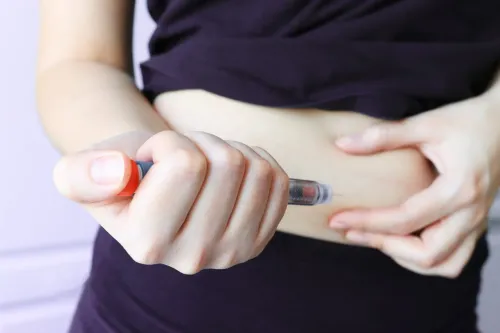
Metformin for prediabetes is an individualized, generally off-label option—not a routine replacement for weight loss, physical activity and dietary changes.
Lifestyle treatment was more effective than metformin for preventing diabetes in the overall Diabetes Prevention Program study, so medication works best as an additional tool when your risk remains high or lifestyle targets are difficult to achieve.
Metformin deserves closer consideration when you have:
- Age under 60, particularly with obesity or rising glucose
- BMI at least 35 kg/m²
- A history of gestational diabetes
- A rising HbA1c, especially toward the diabetes range
- Several risks together, such as strong family history, high blood pressure or abnormal cholesterol
Check kidney function before starting. Metformin is contraindicated when estimated glomerular filtration rate is below 30 mL/min/1.73 m²; lower kidney function above that threshold calls for dose adjustment or caution. Your clinician should review kidney results before treatment and after changes that could cause dehydration or acute illness.
Nausea, loose stools, abdominal discomfort and reduced appetite are common when treatment begins. Starting with a low dose, increasing gradually and taking tablets with meals can improve tolerance; extended-release tablets help some people. Long-term treatment can lower vitamin B12, so periodic B12 testing matters, especially with anemia, numbness or tingling, malabsorption risk or prolonged use.
Never start it without reviewing your full risk profile and current medicines.
How should you monitor progress without misreading the numbers?
One borderline result is a signal to verify, not a diagnosis of diabetes. Confirm an abnormal HbA1c or fasting glucose with repeat laboratory testing or another diagnostic test, especially when the results disagree.
Stable prediabetes monitoring usually includes annual diabetes testing; repeat sooner, in about three to six months, when glucose is rising or weight, medicines, pregnancy or symptoms change.
At each review, track the same measures so trends matter more than one reading:
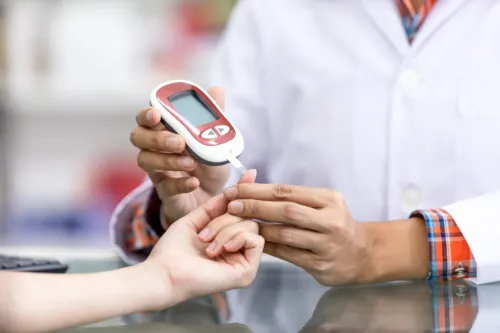
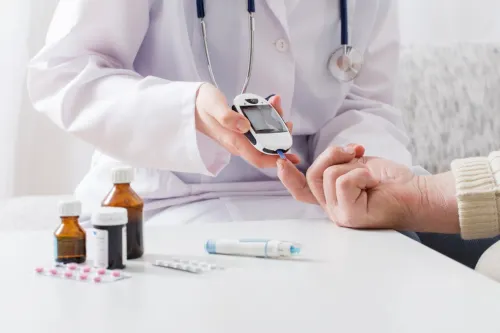
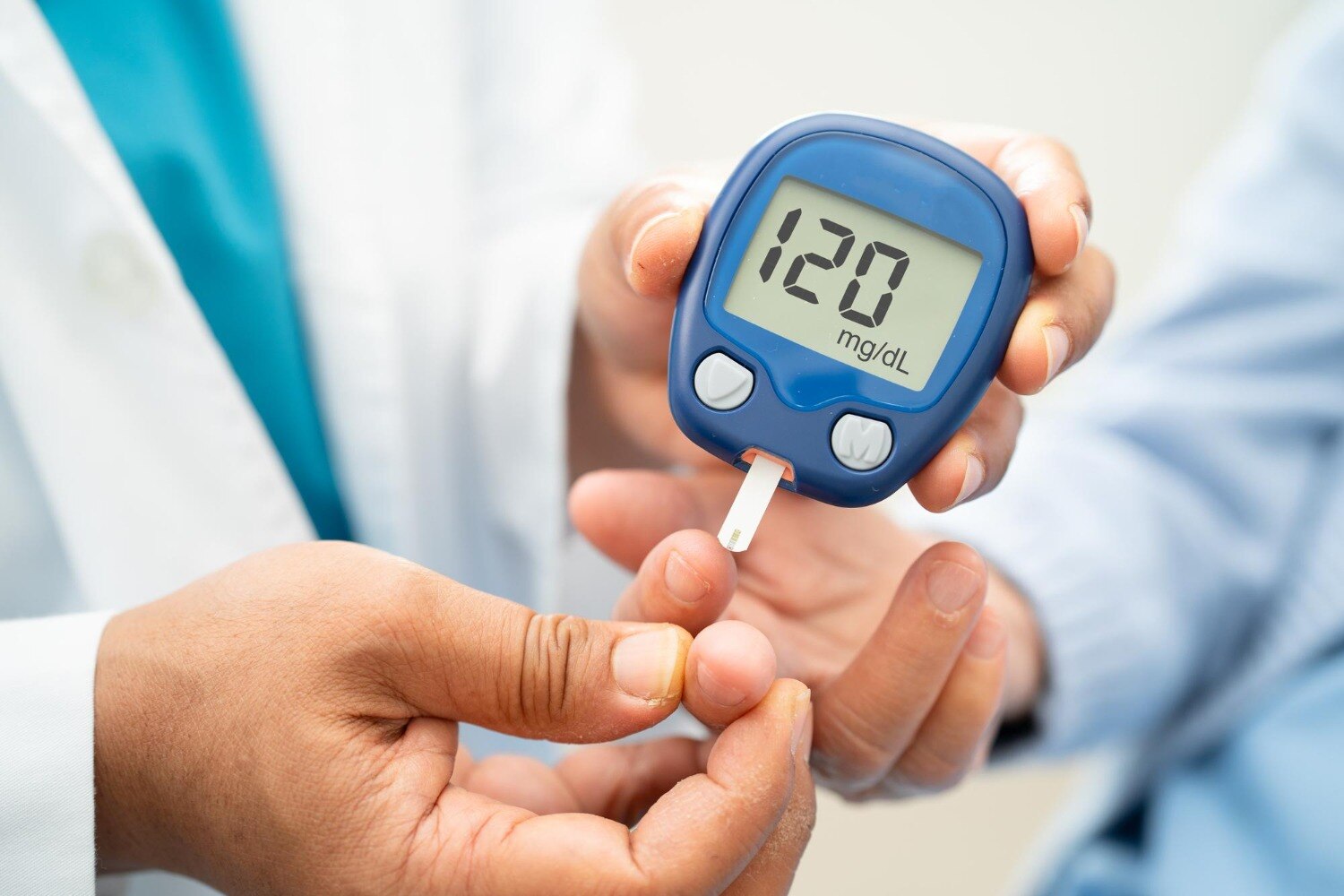
- Repeat HbA1c or fasting glucose using a laboratory test. Home glucometer versus laboratory testing is not an interchangeable comparison: a meter can show day-to-day patterns, but it does not diagnose prediabetes or diabetes.
- Record body weight and waist measurement under similar conditions. A lower reading after one week does not prove that risk has disappeared.
- Check blood pressure and review cholesterol, because cardiovascular risk can persist even when glucose improves.
- Note medicines, activity, sleep, tobacco exposure and dietary changes that could explain a result.
Do not rely on thirst, urination or fatigue; prediabetes often causes no symptoms. Do not use supplements as a substitute for proven lifestyle treatment, or follow an extreme diet that cannot be maintained. A later normal HbA1c is encouraging, but it does not erase underlying risk.
Continue annual testing and follow-up rather than stopping after a short-term improvement.
What should you discuss when choosing an early-prevention plan?
A1C alone does not determine your prevention plan. Combine the result with whether glucose is rising, your weight and waist measurement, family history, previous gestational diabetes, current medicines, sleep, tobacco exposure, blood pressure, cholesterol and overall cardiovascular risk.
| Factor | What to review | How it changes the plan |
|---|---|---|
| Glucose pattern | A1C, fasting glucose and, when needed, the 2-hour value | Rising or conflicting results may justify repeat testing or an oral glucose tolerance test |
| Personal history | Weight, prior gestational diabetes, family history and medicines such as steroids | Multiple risks support closer follow-up and a stronger discussion about metformin |
| Daily risks | Sleep duration, snoring, sedentary time, diet and tobacco exposure | Treating these risks improves prevention beyond glucose lowering |
| Heart and kidney health | Blood pressure, lipids, kidney function and cardiovascular history | Set targets for blood pressure and cholesterol alongside glucose goals |
Ask how to prepare for an oral glucose tolerance test preparation appointment: fasting instructions, usual medicines and whether illness could distort the result. Anaemia and HbA1c interpretation also matter because anaemia, kidney disease, haemoglobin variants or recent blood loss can make A1C disagree with glucose.
A diabetology or internal-medicine consultation can provide a personalized prediabetes risk assessment, set weight and glucose targets, and decide whether further testing is needed. A prediabetes consultation in Sanpada Navi Mumbai with Dr ARIF SHEIKH can also help weigh metformin against lifestyle treatment, kidney function, vitamin B12 risk and gastrointestinal effects.
Frequently asked questions
What counts as prediabetes, and which test confirms it?
Prediabetes is identified by HbA1c of 5.7%–6.4%, fasting plasma glucose of 100–125 mg/dL, or 2-hour glucose of 140–199 mg/dL after a 75-gram oral glucose tolerance test. A clinician may repeat the test or use another test to confirm the finding.
How much can early lifestyle treatment lower diabetes risk?
A structured plan combining weight reduction when appropriate, at least 150 minutes of moderate activity weekly, and dietary changes can substantially lower progression risk. Benefits depend on your starting weight, glucose levels, adherence and other health conditions.
When does metformin make sense for prediabetes?
Discuss metformin when diabetes risk remains high despite lifestyle work, especially with severe obesity, younger age, a history of gestational diabetes or rising glucose results. Your clinician must review kidney function, medicines and long-term suitability.
How should you monitor progress without misreading the numbers?
Compare HbA1c, fasting glucose or oral glucose tolerance results over time using the same clinical context. Illness, stress, medicines and testing differences can affect individual readings, so do not diagnose diabetes from one unexpected result.
What should you discuss when choosing an early-prevention plan?
Review your test results, weight and waist changes, activity, diet, family history, blood pressure, cholesterol, medicines, kidney function and personal goals. Agree on follow-up timing and the result that would change your plan.