Repeated low glucose readings need more than a quick sugar snack because the cause, severity and safest target vary from person to person. By the end, you will know how to classify episodes, treat an alert adult safely, identify patterns that require review and prepare for a personalised management plan.
Key takeaways
- Treat an alert low with 15 grams of fast-acting carbohydrate.
- Recheck glucose after 15 minutes and repeat treatment if it remains low.
- Investigate two confirmed lows within seven days or any severe episode.
- Never give food or drink to someone unconscious or unable to swallow.
When Do Low Readings Become Frequent Hypoglycaemia?
One low reading does not automatically mean frequent hypoglycaemia. Use two or more confirmed lows within seven days as a practical warning pattern, or investigate immediately after any level 2 reading or event requiring help from another person.
A single low can follow missed food, strenuous exercise, medication side effects or a rapidly falling glucose level; repetition points to an unresolved cause.
| Category | Reading or event | Clinical meaning |
|---|---|---|
| Level 1 | Below 70 mg/dL (3.9 mmol/L) | Alert value; repeated readings indicate a pattern |
| Level 2 | Below 54 mg/dL (3.0 mmol/L) | Clinically significant low needing prompt review |
| Level 3 | Severe hypoglycaemia symptoms with impaired function and need for another person’s help | Severe event, regardless of the measured glucose |
For adults without diabetes, clinicians look for Whipple triad: symptoms such as anxiety, sweating, trembling, confusion or fainting; documented low plasma glucose during those symptoms; and improvement after glucose rises. Dehydration, illness and medication side effects can mimic or trigger symptoms, so timing matters: record whether episodes occur fasting, overnight, after meals or during exercise.
Frequent lows can cause impaired awareness, removing the warning symptoms that normally prompt action. A normal HbA1c does not exclude dangerous variability.
If a continuous glucose monitor reports a low that conflicts with how you feel, check a finger-stick reading when possible; interstitial readings can lag during rapidly falling glucose, and sleeping on the sensor can create a false low.
The Correct 15-Minute Response to an Alert Low
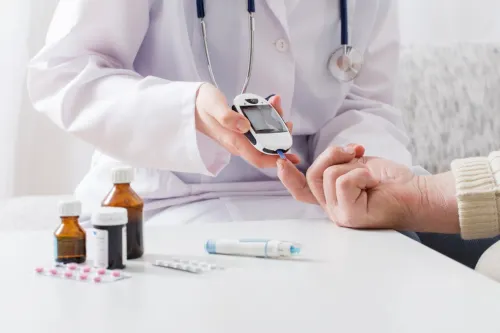
Confirm a reading below 70 mg/dL before treating it. Use good glucose meter technique: wash and dry your hands, use an in-date strip, and apply enough blood. If a continuous glucose monitor alert conflicts with your symptoms or a finger-stick result, check blood glucose when possible because sensor readings can lag.
- Take 15 grams fast carbohydrate: 3 to 4 glucose tablets, depending on tablet strength; 120 mL regular juice; or 1 tablespoon sugar dissolved in water. Do not choose chocolate, nuts, or high-fibre foods first because fat and fibre slow absorption.
- Wait 15 minutes, then recheck your glucose.
- If it remains below 70 mg/dL, take another 15 grams fast carbohydrate and repeat the 15-minute recheck.
- After the reading returns to a safe range, eat a follow-up snack containing longer-acting carbohydrate when your next meal is more than an hour away. Examples include a slice of bread, crackers, or your usual meal.
Do not drive or exercise until the low has resolved. If you become confused, drowsy, unable to swallow, or need another person to help, this is severe hypoglycaemia: someone should call emergency services and use prescribed glucagon if available.
Repeated lows after extra diabetes medicine, especially a sulfonylurea, need urgent medical advice rather than repeated carbohydrate alone.
Why Recurrent Lows Keep Happening
Repeated lows often follow a change that was not matched by a dose adjustment. In a basal-bolus plan, correction stacking—taking another correction before the previous insulin has finished working—can cause delayed hypoglycaemia. Sulfonylureas can also produce prolonged episodes, especially when kidney or liver function changes.
| Trigger | How it drives lows | Clues to record |
|---|---|---|
| Medication | Basal, bolus, correction doses or sulfonylureas exceed current needs | Dose, timing and missed or extra doses |
| Food and alcohol | Missed meals, vomiting, malnutrition or alcohol without food reduce available glucose | Meal timing, carbohydrate amount and alcohol |
| Activity | Exercise increases glucose use during and after activity | Type, duration and timing of exercise |
| Health change | Kidney or liver illness, infection, weight loss or reduced appetite changes drug handling and insulin needs | Symptoms, illness dates and weight |
Nocturnal hypoglycemia can follow an evening dose, late exercise, alcohol or too little dinner. A pattern labelled reactive hypoglycemia needs confirmed low glucose; symptoms alone can conceal medication effects or malnutrition.
Use CGM alarms as prompts, but check unexpected readings with a fingerstick confirmation. CGM timing can show meter lag, and contaminated fingers can give falsely high or low results. Keep a diary linking glucose, meal, insulin, exercise, alcohol and episodes, including exact timing.
This record helps identify whether lows follow a dose, fasting period or activity and gives a clinician evidence for a safe dose adjustment. Persistent sulfonylurea-related lows or lows during illness need prompt medical review, not repeated carbohydrate alone.
When a Low Is an Emergency or Needs Investigation
Confusion, a seizure, unconsciousness or an inability to swallow makes hypoglycaemia a medical emergency. Do not give food or drink by mouth. Use prescribed glucagon if it is available and someone trained can administer it, then call emergency medical help; glucagon does not replace assessment, especially after an insulin overdose or suspected sulfonylurea exposure.
Recurrent episodes need investigation beyond routine home readings when they occur without glucose-lowering treatment, happen during fasting or overnight, follow meals repeatedly, require help, or continue after carbohydrate treatment.
Record symptoms and a measured plasma glucose during the episode; in adults without diabetes, clinicians look for Whipple’s triad: symptoms, documented low glucose, and improvement after glucose rises.
Ask a clinician whether you need:
- A medication and health review covering insulin, sulfonylurea exposure, kidney or liver disease, alcohol, malnutrition, pregnancy, children and older adults.
- During a documented low, laboratory insulin, C-peptide, proinsulin and beta-hydroxybutyrate, plus screening for sulfonylurea exposure.
- A supervised prolonged fast for suspected fasting hypoglycaemia, or mixed meal testing for symptoms after eating. Do not substitute an indiscriminate glucose-tolerance test.
- Assessment for endocrine causes such as adrenal insufficiency, pituitary disease or endogenous insulin excess.
Sulfonylurea-related lows can recur after the first correction, particularly with long-acting drugs or reduced kidney function. Repeated home snacks are not a safe substitute for observation and specialist treatment.
Building a Personal Plan for Safer Glucose Levels
Set individualized targets before choosing snacks or alarms. A person with impaired hypoglycaemia awareness, kidney function or liver function changes, older age, unreliable meal pattern, frequent exercise, or limited available support may need a less stringent glucose target than a younger person with reliable warning symptoms.
Driving and work safety can also require a higher minimum glucose and planned checks.
Use CGM data when available, not HbA1c alone. Review time below range, including time below 70 mg/dL and time below 54 mg/dL, then adjust monitoring around meals, exercise, sleep, driving and shift work. If CGM cost or effort is too high, agree on targeted finger-stick checks that fit your routine.
Build daily prevention around these decisions:
- Request a medication review after any recurrent low, especially with insulin or a sulfonylurea; kidney function, liver function, missed meals, alcohol and activity can change its effect.
- Match carbohydrate planning to your meal pattern and exercise, rather than adding a standard snack every day.
- Arrange family training for recognising confusion, treating an emergency and using prescribed rescue treatment; include driving and work safety instructions.
- Make education, prevention and follow up part of the plan, with a clear date to reassess targets and hypoglycaemia awareness.
Dr ARIF SHEIKH can use your glucose records, medicines, meals and activity history to make that review specific, including choices that suit your cost, effort and available support.
Related services
Blood Glucose Checkup Know Your Numbers: Get Your Blood Glucose Checked Take control of your health! A simple blood glucose test can check for: - Diabetes - Pre-diabetes -... View service → |
Diabetes Treatment Managing Diabetes: Comprehensive Care for a Healthier Life Diabetes can be overwhelming, but with the right care, you can take control. View service → |
Frequently asked questions
When do low readings become frequent hypoglycaemia?
Use two or more confirmed low readings within seven days as a practical warning pattern. Investigate immediately after a level 2 reading below 54 mg/dL or an event requiring another person’s help.
What is the correct 15-minute response to an alert low?
Take 15 grams of fast-acting carbohydrate, wait 15 minutes, then recheck glucose. Repeat the treatment if the reading remains below 70 mg/dL.
Why do recurrent low blood sugar episodes keep happening?
Review medication doses, delayed or missed meals, exercise, alcohol, kidney or liver problems, illness and glucose-monitoring patterns with a clinician.
When is low blood sugar an emergency?
Call emergency services for seizure, severe confusion, unconsciousness or inability to swallow. Do not give food or drink by mouth; use prescribed glucagon if available and you are trained.
How do you build a personalised plan for safer glucose levels?
Record timing, readings, meals, activity, medication and symptoms, then use the pattern to adjust treatment, eating plans, exercise precautions and follow-up.