A single glucose reading cannot explain why you feel unwell, why morning levels keep rising, or whether a medicine is protecting your heart and kidneys. By the end, you will know what patterns, tests, treatment risks and records to discuss at a diabetes consultation, and when a routine review needs to become a prompt medical appointment.
Key takeaways
- Review fasting, post-meal and overnight glucose patterns, not isolated readings.
- Bring glucose logs, medicines, meal details and recent test reports.
- Check HbA1c, kidney function, cholesterol, urine albumin and eye health.
- Arrange prompt review for repeated highs, lows, symptoms or treatment changes.
What does a diabetologist learn from your glucose pattern, not one number?
A diabetologist looks for a repeatable pattern, not a single glucose result. Fasting glucose can reveal overnight liver glucose release or insufficient evening treatment; post-meal glucose shows the effect of carbohydrate amount, meal timing and medication coverage; overnight glucose patterns can expose unrecognised lows or prolonged highs.
The interpretation also includes symptoms, exercise, illness, steroids, missed doses and changing insulin needs.
If your symptoms conflict with the meter or sensor, check:
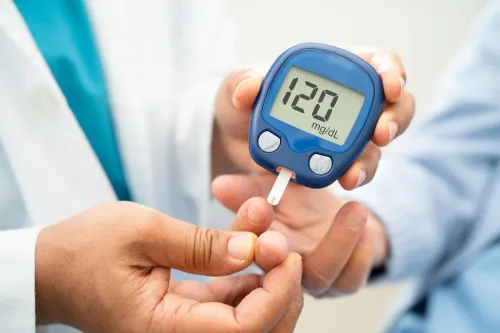
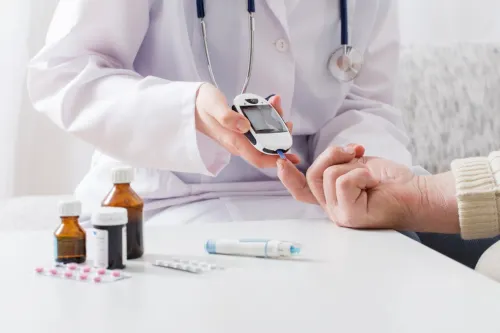
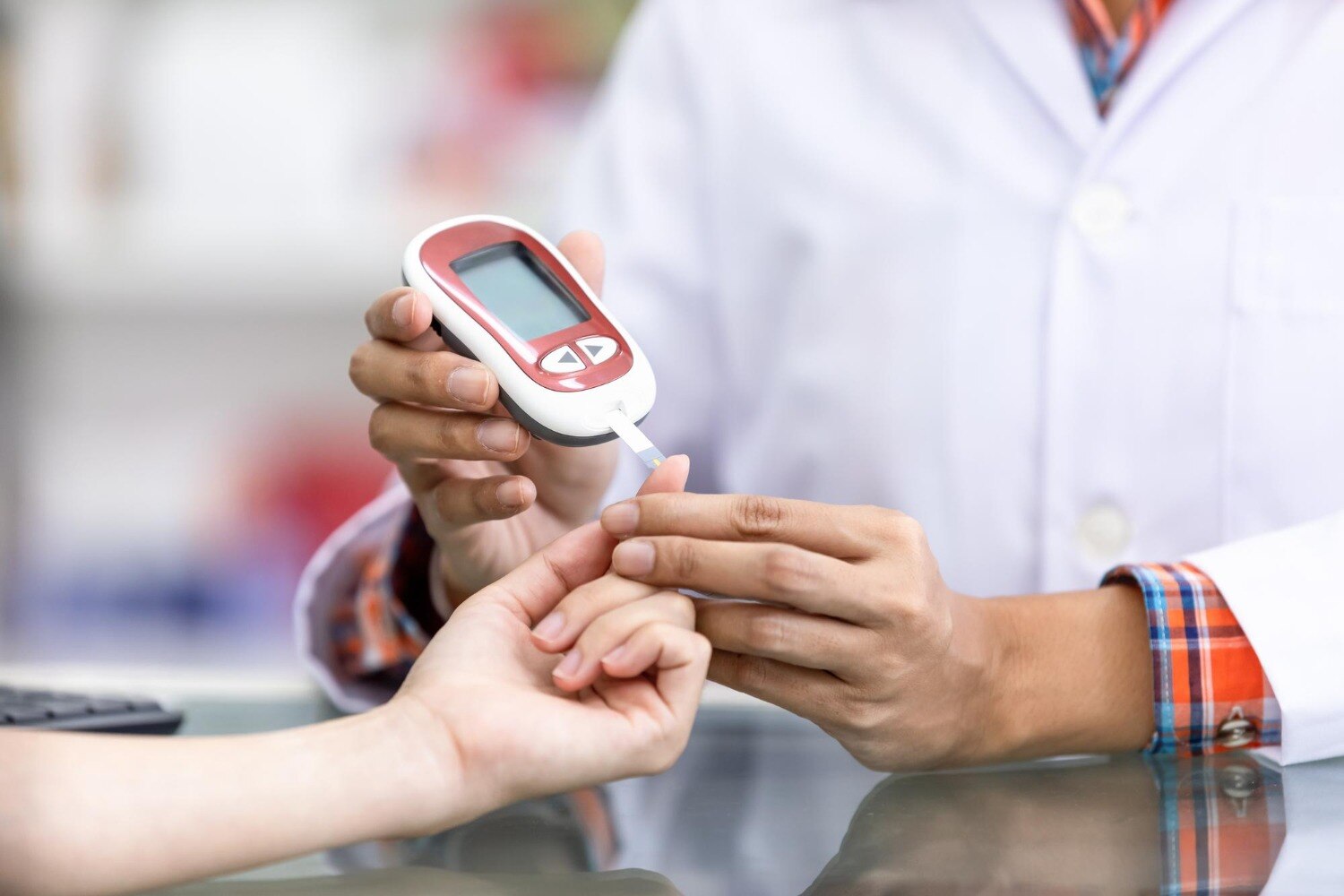
- Wash and dry your hands before a finger-stick test; food residue can falsely raise the result.
- Check strip storage, expiry date and the meter’s condition.
- Confirm sensor placement, adhesion and whether a rapidly changing glucose level explains a difference between sensor and blood readings.
- Review medication timing, missed doses and recent changes.
- Report illness, steroid treatment, reduced kidney function or symptoms suggesting that insulin needs have changed.
Do not automatically take extra medicine because of one unexpected number. Repeat the test as directed, record symptoms and timing, and contact your clinician for repeated discordance or suspected hypoglycaemia. Level 1 hypoglycaemia is below 70 mg/dL; below 54 mg/dL is level 2, while level 3 requires help regardless of the reading.
Continuous glucose monitoring also measures time in the 70–180 mg/dL range, time below 70 mg/dL and glucose variability. For many nonpregnant adults, starting goals are over 70% in range, under 4% below 70 and under 1% below 54; age, comorbidities and hypoglycaemia risk change those targets.
What should you bring to a diabetes consultation?
Bring records from the past few weeks, not only the reading that worried you. Clear records help the diabetologist separate a treatment problem from a temporary disruption.
1. Bring your meter and its recent readings, or download your CGM data. Add a glucose log showing meal times, approximate carbohydrate intake, exercise, sleep and unusual readings.
2. Write a complete medication list with every medicine name and dose, including supplements. Record insulin units and injection timing for each dose. Include missed doses, recent changes, steroid treatment and difficulty using injections or devices.
3. List your symptoms and recent laboratory reports. Record hypoglycaemia episodes with the glucose reading, time, suspected trigger, treatment, and whether another person had to help you. Note travel, shift work, fasting, illness and changes in appetite because each can alter insulin needs.
This detail lets the consultation connect a low reading with a sulfonylurea or insulin dose, a post-meal rise with carbohydrate timing, or a persistent pattern with renal impairment or steroid treatment. It also helps investigate a mismatch between symptoms, CGM data and laboratory results instead of automatically increasing medicine.
Ask how to treat a low, what to do after a missed dose, and when to pause selected medicines during illness. If you use insulin, ask how to store it during travel, including protection from freezing and excessive heat.
Ask whether you need a glucagon rescue plan if insulin or an insulin-releasing medicine has caused repeated lows.
Which tests reveal diabetes risks that home readings cannot show?
A home meter shows glucose at selected moments; these reviews look for damage and risk that a single reading cannot reveal. HbA1c estimates average glycaemia over roughly two to three months.
| Review | Risk measured | Typical timing |
|---|---|---|
| HbA1c | Average glucose exposure | About twice yearly when stable and at goal; about every three months after treatment changes or when goals are unmet |
| Kidney tests | Loss of filtration and albumin leakage | Estimated glomerular filtration rate and urine albumin-to-creatinine ratio at type 2 diagnosis; generally annually for type 1, starting five years after onset |
| Lipid profile, liver tests and cardiovascular risk assessment | Vascular risk, fatty liver or treatment-related concerns | At planned diabetes reviews, with frequency based on results and treatment |
| Dilated eye examination | Diabetic retinal damage | At type 2 diagnosis; within five years of type 1 onset, then more often if abnormalities appear |
| Comprehensive foot examination | Neuropathy, poor circulation, deformity or ulcer risk | At least yearly; more often after abnormal findings |
Anemia, haemoglobin variants, blood loss, transfusion, kidney failure and pregnancy can make HbA1c misleading. The clinician may compare it with glucose records or order fructosamine or glycated albumin.
The foot check includes pulses, skin, structure, a 10-g monofilament and another neurologic test. Eye follow-up also becomes more frequent when disease is found; a normal result does not replace the planned schedule.
How do treatment decisions change when risk matters as much as glucose?
A near-target HbA1c does not automatically mean your treatment is protecting you from every diabetes complication. In type 2 diabetes with established atherosclerotic cardiovascular disease, heart failure or chronic kidney disease, a clinician may consider an SGLT2 inhibitor or GLP-1 receptor agonist with demonstrated cardiovascular or kidney benefit, even when HbA1c is close to target.
Blood pressure, cholesterol and statin needs also enter the decision.
Medication safety requires a separate review:
- Metformin: ask about diarrhoea, nausea, abdominal discomfort and kidney function.
- Sulfonylureas: review meal timing, missed doses and hypoglycaemia risk.
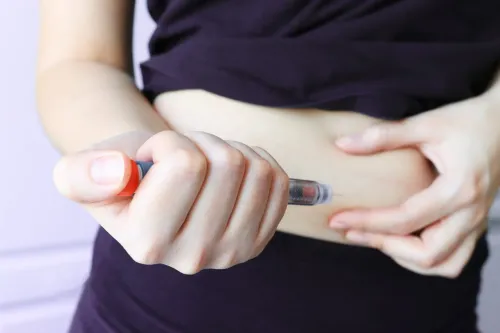
- Insulin: check injection technique, sites, storage, dose timing and glucose lows.
Level 1 hypoglycaemia is below 70 mg/dL; level 2 is below 54 mg/dL. Level 3 means you needed help, regardless of the measured glucose. If you use insulin or an insulin-releasing medicine, ask whether you need a prescribed glucagon rescue plan.
SGLT2 inhibitors need sick-day instructions. Fasting, dehydration, illness or surgery can trigger ketoacidosis despite only modest glucose elevation, so ask when to pause the medicine. Nausea, vomiting, abdominal pain or rapid breathing requires urgent assessment. Preventive review also includes influenza, COVID-19, pneumococcal, hepatitis B and shingles vaccines according to your age and risk.
When should you arrange a diabetologist review rather than wait for routine follow-up?
A new diabetes diagnosis, medication or insulin change, recurrent hypoglycaemia, pregnancy and diabetes, unexplained symptoms, acute illness or planned surgery all justify an earlier review. Arrange one too if kidney results worsen, a foot problem appears, or your meter, CGM and laboratory results disagree.
| Situation | Review schedule | Why it matters |
|---|---|---|
| New diagnosis or treatment change | Arrange a review soon; reassess after the change | Confirms response, dosing, technique and safety |
| Repeated lows or unexplained symptoms | Do not wait for routine follow-up | Level 1 hypoglycaemia is below 70 mg/dL; level 2 is below 54 mg/dL, and level 3 requires help |
| Pregnancy and diabetes | Use a pregnancy-specific schedule | Glucose targets and medication safety change |
| Illness or surgery | Ask for sick-day rules before illness or the procedure | SGLT2 inhibitors can cause ketoacidosis during fasting, dehydration, illness or surgery |
| Worsening kidney results, a new foot wound or conflicting readings | Arrange prompt assessment | Kidney impairment, infection, sensor errors and changing insulin needs require different responses |
After a treatment change, or after three months when goals remain unmet, review HbA1c and the treatment response. Stable patients still need planned HbA1c, kidney, eye, foot, lipid and cardiovascular-risk reviews; daily readings do not replace them.
Dr ARIF SHEIKH can organise records, interpret conflicting patterns and coordinate outpatient tests or referrals when the decision is difficult. Choose a consultation when you need a medication plan, travel or sick-day rules, or an explanation for readings that do not match how you feel.
Seek urgent care for severe hypoglycaemia, inability to swallow, nausea, vomiting, abdominal pain or rapid breathing suggesting ketoacidosis, or a rapidly worsening foot wound.
Frequently asked questions
What does a diabetologist learn from your glucose pattern, not one number?
Fasting readings show overnight glucose release and evening treatment effects. Post-meal readings show meal composition, timing and medication coverage. Overnight patterns can reveal unrecognised lows or prolonged highs.
What should you bring to a diabetes consultation?
Bring your glucose meter or continuous glucose monitor records, medication list and doses, meal notes, symptoms, recent laboratory reports and questions about treatment.
Which tests reveal diabetes risks that home readings cannot show?
HbA1c measures average glucose over roughly two to three months. Kidney tests, including serum creatinine, estimated glomerular filtration rate and urine albumin-to-creatinine ratio, assess kidney risk. A lipid profile, blood pressure assessment, eye examination and foot examination identify other complications.
How do treatment decisions change when risk matters as much as glucose?
Treatment selection considers kidney function, cardiovascular risk, low-glucose risk, weight, cost, side effects and treatment practicality alongside glucose readings.
When should you arrange a diabetologist review rather than wait for routine follow-up?
Arrange an earlier review for repeated very high or low readings, nighttime lows, worsening symptoms, unexplained weight change, pregnancy, medication side effects or glucose changes after illness.