Insulin decisions depend on more than a single high glucose reading. By the end, you will know which symptoms and glucose patterns prompt insulin, what information supports a safe dose change, and when urgent care matters more than routine adjustment.
Key takeaways
- Seek prompt medical advice for glucose around 300 mg/dL or higher.
- Review glucose patterns before changing insulin or other diabetes medicines.
- Check meals, missed doses, illness, and hypoglycemia before increasing insulin.
- Use a sick-day plan and confirm dose changes through follow-up readings.
When starting insulin becomes medically important
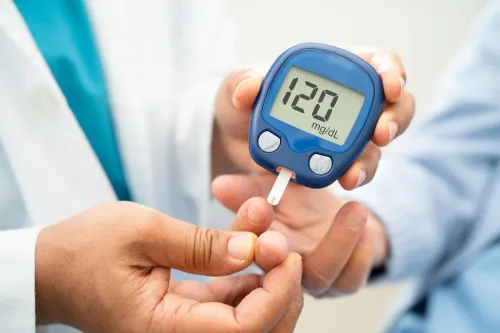
Insulin becomes medically important when high glucose is causing symptoms or the body is breaking down fat. In type 2 diabetes, a doctor may recommend it promptly for severe symptomatic hyperglycemia, an A1C above 10%, glucose around 300 mg/dL (16.7 mmol/L) or higher, unexplained weight loss, ketosis, or inadequate control despite non-insulin medicines.
These findings do not automatically mean lifelong insulin.
| Clinical finding | Usual medical response | Urgency |
|---|---|---|
| Newly diagnosed type 1 diabetes | Start insulin as replacement therapy and arrange diabetes education | Prompt specialist assessment |
| Pregnancy-related glucose targets not reached with nutrition and approved medicines | Consider insulin to protect the pregnancy and meet targets | Prompt obstetric-diabetes review |
| Persistent high readings without severe symptoms | Review adherence, meals, medicines and kidney function; start or adjust insulin when appropriate | Scheduled or prompt appointment |
| Ketones with vomiting, abdominal pain, dehydration or rapid breathing | Assess for diabetic ketoacidosis and do not rely on a routine dose change | Same-day emergency assessment |
| Extreme thirst, frequent urination, profound dehydration or confusion with very high glucose | Assess for hyperosmolar hyperglycemic state | Emergency care |
Go to emergency care for confusion, fainting, trouble breathing, severe dehydration, persistent vomiting, or inability to keep fluids down. These signs can indicate diabetic ketoacidosis or hyperosmolar hyperglycemic state. Check glucose and blood ketones if you have the equipment, but do not delay care while waiting for a reading.
Never stop prescribed basal insulin during illness without medical advice.
How the glucose pattern determines the insulin or medicine choice
One isolated high reading does not justify more basal insulin; repeated fasting highs point to inadequate overnight coverage, while post-meal highs point elsewhere. Doctors compare readings across several days, along with A1C, meals, activity and hypoglycemia.
| Option | Glucose pattern or purpose | Typical decision |
|---|---|---|
| Basal insulin | High fasting glucose or rising overnight glucose | Adjust using fasting and bedtime glucose; do not increase it solely for after-meal highs. |
| Mealtime or bolus insulin | High two-hour post-meal glucose after a specific meal | Add insulin for that meal, using carbohydrate intake, pre-meal glucose and an individualized correction factor. |
| Premixed insulin | High fasting and post-meal glucose with predictable meal times | Consider when a simpler fixed morning-and-evening schedule fits; irregular eating makes it less flexible. |
| Correction dose | High pre-meal glucose above the agreed target | Use a prescribed correction factor, not repeated extra doses that can cause delayed hypoglycemia. |
For type 1 diabetes, basal insulin and mealtime or bolus insulin are both required; basal-only treatment cannot cover meals or corrections. For type 2 diabetes, a doctor may continue or add metformin, a GLP-1 receptor agonist or an SGLT2 inhibitor when these fit kidney function, weight, cardiovascular risk and treatment goals.
A sulfonylurea can lower glucose quickly but carries hypoglycemia risk. If fasting glucose reaches target while A1C remains high, adding meal coverage or a fixed-ratio basal/GLP-1 treatment is more logical than endlessly increasing basal insulin.
What to review before increasing or changing a dose
Do not increase an insulin dose because of one high reading. Repeated fasting highs point toward insufficient basal insulin; post-meal highs may call for meal-time insulin, meal review, timing changes or another treatment. Raising basal insulin to chase post-meal highs can cause overnight hypoglycemia or fasting lows.
1. Review several days of fasting and post-meal readings, insulin timing, missed doses and hypoglycemia records. Check whether overnight hypoglycemia or exercise-related hypoglycemia is being mistaken for poor control. Use HbA1c as background information, not as a rapid measure of a dose changed a few days ago.
2. Watch an injection or device demonstration. Check injection technique, dose settings, insulin type, expired insulin, improper storage and injection sites. Repeated injections into areas of lipohypertrophy can prevent consistent absorption.
3. Ask about illness, fever, vomiting, steroid treatment, kidney-function changes, pregnancy and recent weight loss. Any of these can change insulin needs; worsening kidney function can make a previously safe dose excessive.
4. Record changing meal patterns, reduced food intake, physical activity and alcohol use. A plan that worked with regular meals can cause hypoglycemia when meals are delayed or skipped, while increased activity can lower glucose for hours afterward.
Change one part of the regimen at a time unless urgent readings require immediate care. Bring the glucose record, insulin device and current medication list to the clinician so the pattern can be checked before the dose is altered.
How to use insulin safely during ordinary and unusual situations
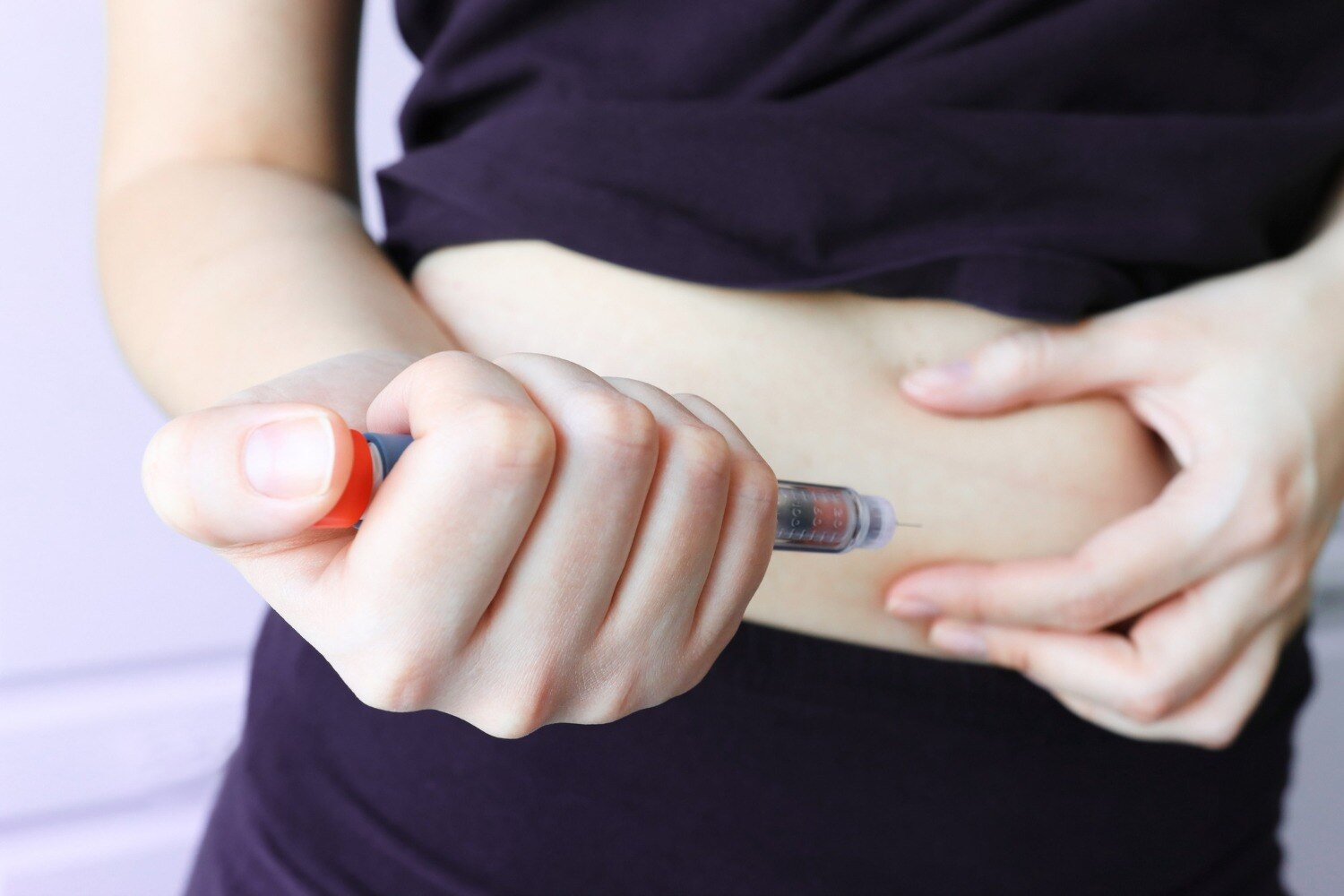
1. Use the insulin pen or syringe exactly as prescribed. Check the name, strength, dose and expiration before injecting, and use injection-site rotation across the abdomen, thigh, buttock or upper arm. Repeated injections into thick or lumpy areas can deliver an unreliable dose.
Use a new needle each time; place used needles immediately in a sharps container, never loose in household waste.
2. Follow the label’s storage temperature: many unopened products require 2–8°C refrigeration, while opened pens have a specified room-temperature limit. Never freeze insulin or leave it in direct sun or a hot car. Do not use insulin that is expired, discoloured, clumped or damaged.
3. If you have a missed dose, do not automatically double the next dose. Contact your diabetes team for instructions, especially for basal insulin. If you vomited a meal, do not automatically repeat its mealtime dose; check glucose, hydrate and follow your written plan.
4. For low glucose in a conscious person who can swallow, take 15 grams of fast-acting carbohydrate, then recheck after 15 minutes and repeat if still low. Glucagon is for severe hypoglycemia when swallowing is unsafe; teach family members its use.
5. Keep a sick-day plan: continue prescribed basal insulin unless instructed otherwise, increase glucose and ketone checks, and drink fluids. Seek urgent care for rising ketones, repeated vomiting, breathing difficulty, dehydration or inability to keep fluids down.
6. Before Ramadan or another fast, plan dose and meal changes with your clinician. Check more often, stop fasting for hypoglycemia or illness, and treat lows promptly. Exercise, alcohol and travel require extra monitoring; carry glucose, glucagon, supplies and a written prescription, keeping insulin in carry-on luggage.
How follow-up confirms that the new plan is working
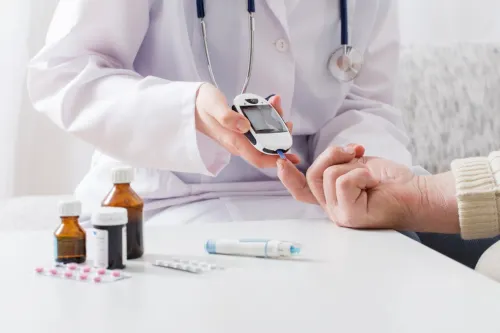
Bring a complete record to the insulin consultation: glucose readings with dates and times, meals, insulin name and strength, dose timing, injection sites, hypoglycemia episodes, current medicines, and recent HbA1c and kidney tests. Include illness, steroid use, exercise changes, missed meals, and any recurring supplies that are difficult to obtain.
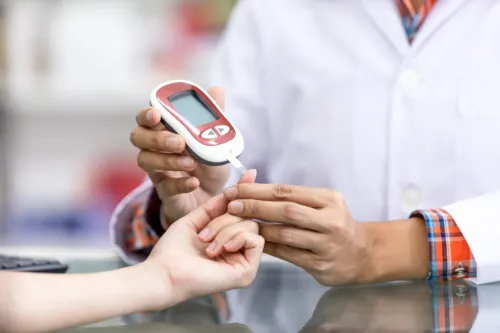
- For a blood-glucose meter, bring the meter, strips, and written notes covering at least 7 days. For a continuous glucose monitor, share the report and agree on the continuous glucose monitor review period; sensor trends show time high or low, but confirm unexpected readings with a meter.
- Bring your meal pattern and injection routine, not just a list of numbers. This reveals whether fasting highs reflect insufficient basal insulin or whether post-meal highs need meal insulin, dietary changes, or different timing.
- Ask which individualized targets apply to you and when to recheck. A safety review may take one consultation, while dose titration often needs several days to two weeks of readings; HbA1c reflects roughly three months.
The diabetologist continues the regimen when glucose reaches target without troublesome lows, excessive treatment burden, or unsafe complexity. They reduce insulin after repeated hypoglycemia, kidney-function decline, weight loss, or smaller meals.
They replace or restructure it when the pattern remains high despite correct use, injection sites are unsuitable, or the regimen does not fit your life. Type 1 diabetes usually needs basal plus meal or correction insulin; type 2 diabetes may need basal insulin, another formulation, or non-insulin treatment.
Dr ARIF SHEIKH can use the same pattern review to separate a dose problem from a storage, technique, or supply problem.
Frequently asked questions
When does starting insulin become medically important?
Insulin may be recommended promptly for severe symptomatic hyperglycemia, A1C above 10%, glucose around 300 mg/dL (16.7 mmol/L) or higher, unexplained weight loss, ketosis, or inadequate control despite non-insulin medicines.
How does the glucose pattern determine insulin or medicine choice?
Review whether glucose is high before breakfast, after meals, or throughout the day. The timing and severity of the pattern help the doctor choose between adjusting existing medicines, adding basal insulin, or addressing meal-related glucose rises.
What should you review before increasing or changing an insulin dose?
Check recent glucose readings, injection technique, insulin storage, meal timing, physical activity, missed doses, illness, and episodes of low glucose before changing treatment.
How can you use insulin safely during illness or unusual situations?
Follow your sick-day instructions, monitor glucose more frequently, check ketones when advised, maintain fluids, and seek urgent care for vomiting, breathing difficulty, confusion, or persistent very high glucose.
How does follow-up confirm that a new insulin plan is working?
Follow-up reviews fasting and post-meal readings, low-glucose episodes, symptoms, injection technique, and longer-term measures such as A1C to determine whether the plan needs adjustment.