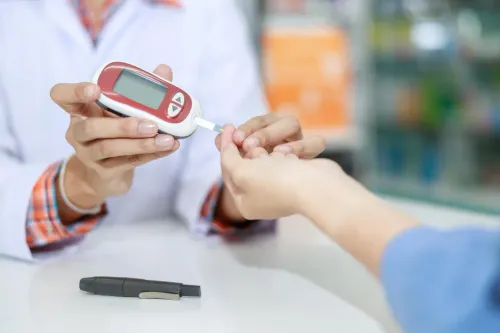
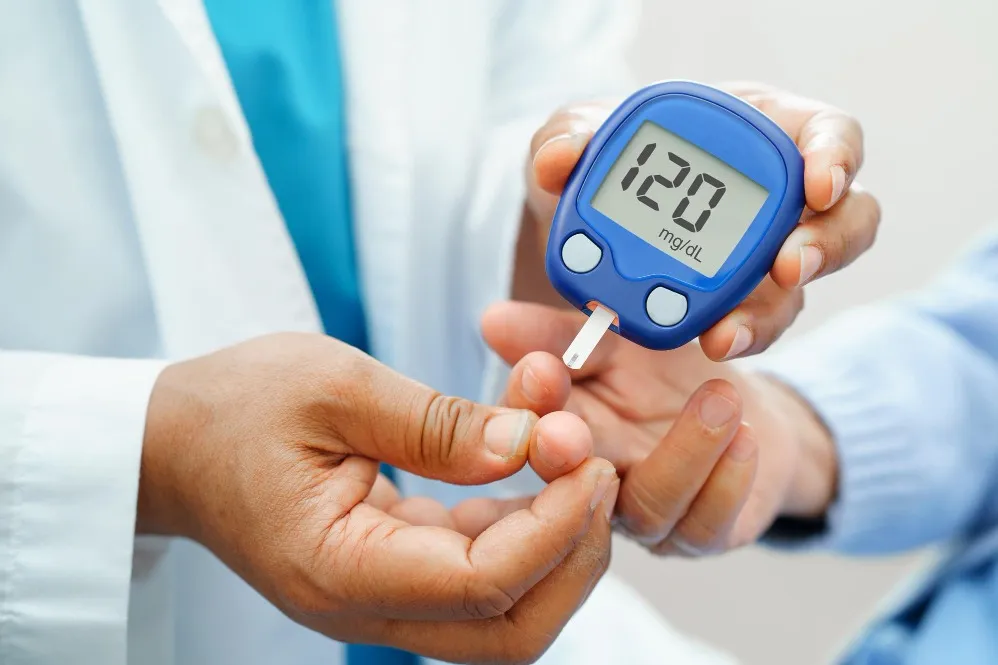
Prediabetes is an early warning sign that blood sugar levels are higher than normal but not yet high enough to be classified as diabetes. Many people discover they have prediabetes during routine health check-ups because the condition often develops without noticeable symptoms. The encouraging news is that timely prediabetes treatment can significantly reduce the likelihood of progressing to type 2 diabetes.
For adults living in Sanpada, understanding prediabetes and acting early can protect long-term health while preventing complications affecting the heart, kidneys, eyes, and nerves.
What Exactly Is Prediabetes
When the body's cells gradually become resistant to insulin, glucose begins accumulating in the bloodstream. Initially, this increase remains below the threshold for diabetes, creating the stage known as prediabetes.
Without appropriate intervention, blood sugar may continue rising over time.
Prediabetes should be viewed as an opportunity for prevention rather than a diagnosis to fear.
Common Risk Factors
Several factors increase the chances of developing prediabetes.
These include:
- Excess body weight
- Limited physical activity
- Family history of diabetes
- High blood pressure
- High cholesterol
- Previous gestational diabetes
- Increasing age
- Poor dietary habits
Understanding these risk factors helps individuals make informed lifestyle decisions before diabetes develops.
Symptoms May Be Absent
Most people with prediabetes experience no obvious symptoms.
Some individuals may notice:
- Increased fatigue
- Slightly increased thirst
- Darkened skin around the neck or underarms
- Gradual weight gain
Because symptoms are often mild, blood testing remains essential for early detection.
How Prediabetes Is Diagnosed
Doctors usually recommend laboratory investigations that provide a clear picture of blood glucose levels.
Common diagnostic tests include:
- HbA1c test
- Fasting blood sugar
- Oral glucose tolerance test
These investigations help determine whether blood sugar remains within the normal range, indicates prediabetes, or has progressed to diabetes.
Lifestyle Changes That Make the Biggest Difference
Successful prediabetes treatment focuses on sustainable habits rather than temporary diets.
Some effective measures include:
- Choosing balanced meals rich in vegetables and lean protein
- Reducing refined carbohydrates
- Maintaining regular meal timings
- Walking or exercising for at least 150 minutes each week
- Achieving gradual weight reduction where appropriate
- Sleeping adequately every night
- Managing daily stress
These improvements support better insulin sensitivity and healthier blood sugar control.
When Medication May Be Needed
Not every individual requires medication immediately.
However, doctors may recommend medical therapy if:
- Blood sugar continues increasing despite lifestyle changes.
- Multiple risk factors are present.
- Weight management remains difficult.
- Cardiovascular risk is elevated.
Treatment decisions should always be individualised following a detailed clinical assessment.
Regular Monitoring Supports Long-Term Success
Prediabetes management does not end after diagnosis. Regular follow-up appointments allow healthcare professionals to monitor progress, review blood test results, and adjust recommendations whenever necessary.
Tracking improvements also encourages patients to remain motivated with healthier lifestyle choices.
Choosing Expert Guidance
Managing prediabetes is often easier with structured medical support. A qualified diabetologist evaluates individual risk factors instead of applying a one-size-fits-all approach.
Many patients in Sanpada choose experienced physicians such as Dr. Arif Sheikh for comprehensive assessment, personalized treatment planning, and long-term metabolic health management. Information about diabetes-related services is also available through drarifsheikh.com for patients seeking a better understanding of available care options.
Prediabetes is reversible for many individuals when addressed early. Taking action before diabetes develops offers one of the most effective opportunities to protect future health while maintaining an active and fulfilling lifestyle.
Keywords