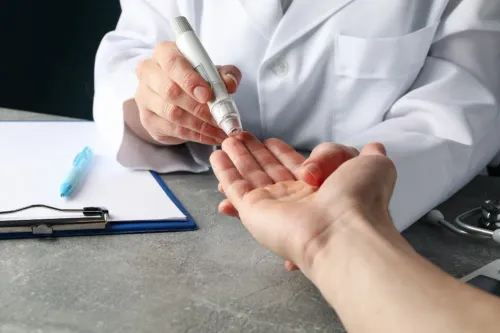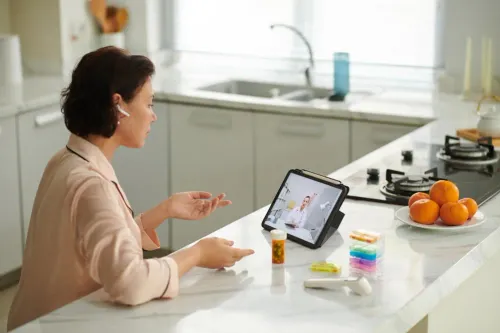
Low blood sugar, also known as hypoglycaemia, is one of the most important situations that people with diabetes should understand. While high blood sugar often develops gradually, low blood sugar can occur suddenly and may interfere with daily activities if not managed promptly. Knowing how to recognize the warning signs and respond appropriately can help prevent complications and improve confidence in managing diabetes.
People searching for Low Blood Sugar Management in Vashi are often looking for practical information on preventing repeated episodes while maintaining good diabetes control. Whether someone has Type 1 diabetes, Type 2 diabetes, or gestational diabetes requiring insulin, understanding hypoglycaemia is an essential part of long-term diabetes care.
What Is Low Blood Sugar?
Low blood sugar occurs when glucose levels fall below the normal range required for the body and brain to function efficiently. Since glucose is the body's primary source of energy, inadequate levels can affect concentration, coordination, and overall well-being.
Hypoglycaemia may develop suddenly and requires prompt attention to restore blood sugar safely.
What Causes Low Blood Sugar?
Several factors can contribute to hypoglycaemia.
Common causes include:
- Taking more insulin than required
- Missing or delaying meals
- Eating fewer carbohydrates than planned
- Increased physical activity without adjusting food or medication
- Certain diabetes medications
- Alcohol consumption without adequate food intake
Identifying the underlying cause helps reduce the risk of future episodes.
Common Symptoms
Early recognition allows quicker treatment.
Warning signs may include:
- Sweating
- Trembling
- Hunger
- Rapid heartbeat
- Dizziness
- Irritability
- Difficulty concentrating
- Blurred vision
- Weakness
If blood sugar continues to fall, confusion, unconsciousness, or seizures may occur, making immediate medical attention necessary.
What Should You Do During an Episode?
If you experience symptoms of low blood sugar and are able to eat safely:
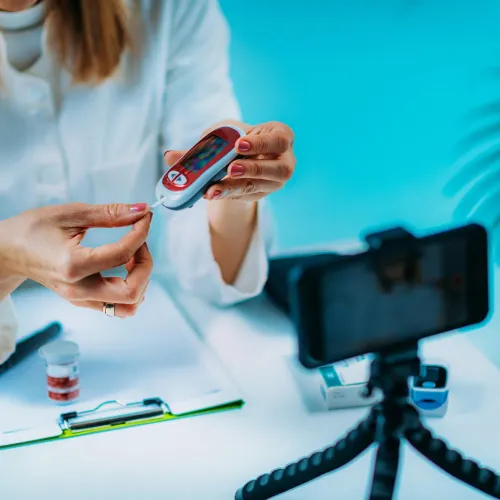
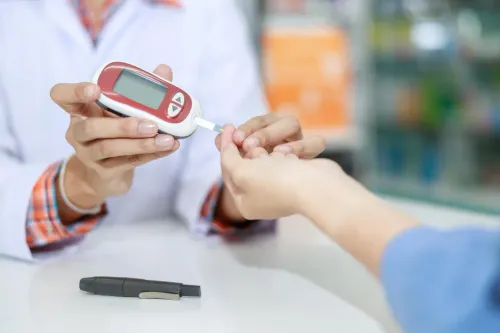
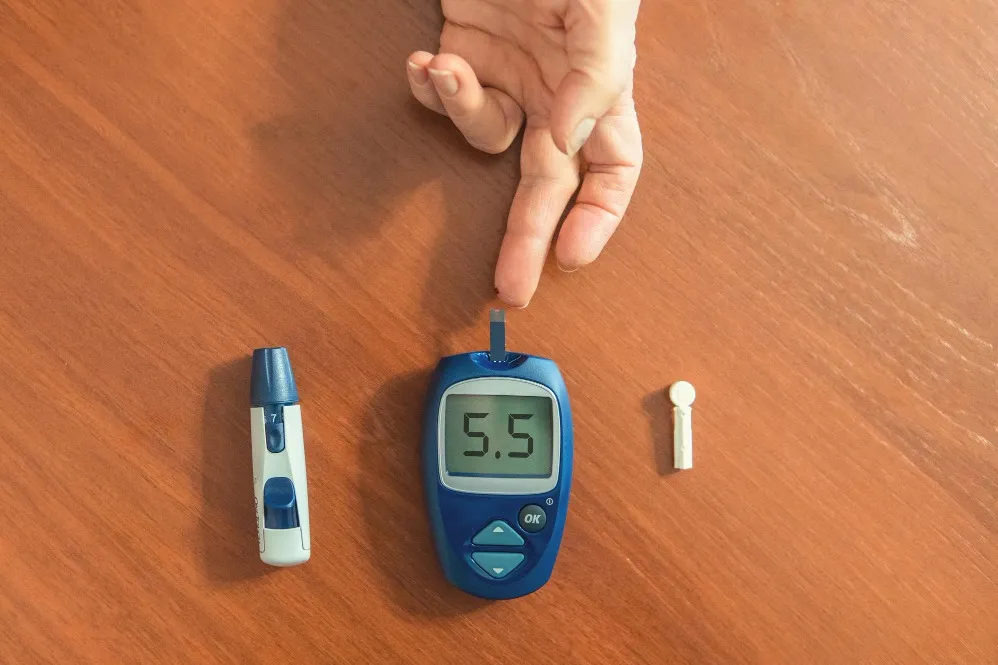
- Check your blood sugar if possible.
- Consume a fast-acting source of glucose.
- Wait about 15 minutes.
- Recheck your blood sugar.
- Repeat treatment if levels remain low.
- Eat a balanced snack or meal if your next meal is not due soon.
Individuals should follow the guidance provided by their healthcare professional regarding specific treatment recommendations.
Preventing Future Episodes
Preventive measures often include:
- Eating meals on time
- Monitoring blood sugar regularly
- Adjusting insulin before exercise
- Carrying glucose tablets or other quick sugar sources
- Avoiding skipping meals
- Reviewing medications regularly with your doctor
Keeping a record of low blood sugar episodes can also help identify patterns that require treatment adjustments.
Who Is More Likely to Experience Hypoglycaemia?
The risk may be higher in people who:
- Use insulin therapy
- Take certain diabetes medications
- Exercise intensely without dietary adjustments
- Have irregular eating schedules
- Consume alcohol
- Have kidney disease
Regular follow-up helps identify these risks and supports safer diabetes management.
Why Education Matters
Patients and family members should understand:
- Early warning signs
- Emergency treatment steps
- When to seek medical help
- How to prevent recurrence
- The importance of medication adherence
Education plays a vital role in reducing fear while improving confidence in diabetes self-management.
When Should You Consult a Diabetologist?
Medical review is recommended if:
- Low blood sugar episodes become frequent
- Symptoms occur without warning
- Blood sugar remains unstable
- You experience severe hypoglycaemia requiring assistance
- Your treatment plan no longer seems effective
People looking for guidance on Low Blood Sugar Management in Vashi may consult Dr. Arif Sheikh for individualized diabetes evaluation, medication review, insulin optimization, and long-term blood sugar management. Personalized care can help reduce recurrent hypoglycaemia while supporting safer and more consistent diabetes control.
Keywords