
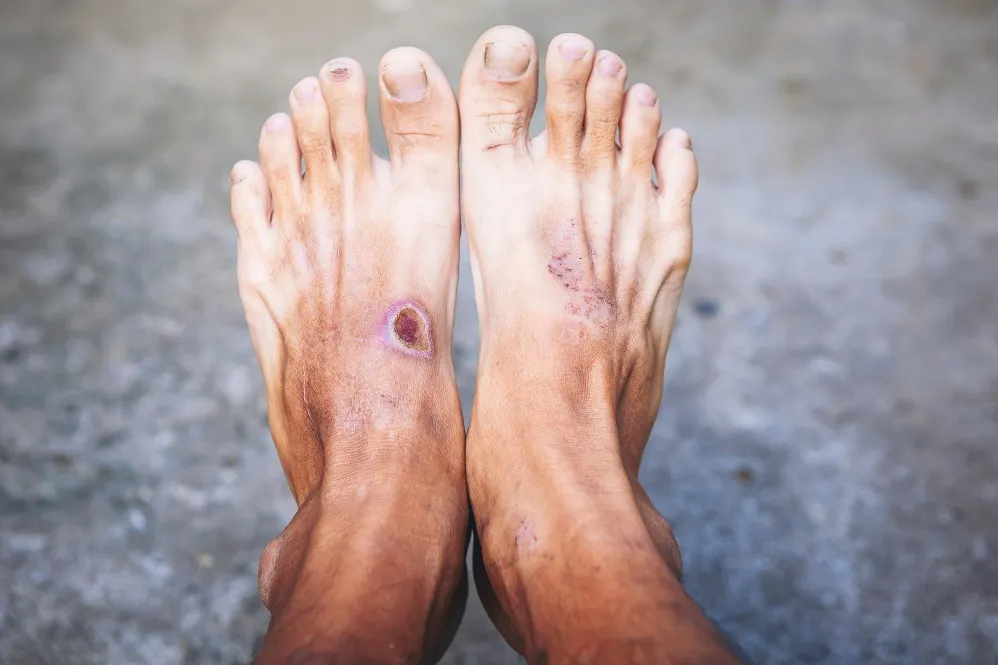
People living with diabetes often focus on controlling blood sugar, but caring for the feet is equally important. High blood glucose levels over time can affect nerves and blood circulation, increasing the risk of foot injuries, infections, and delayed wound healing. Proper foot care for diabetics helps prevent complications and supports long-term mobility and independence.
For residents of Kopar Khairane, regular foot examinations combined with good diabetes management can significantly reduce the risk of serious foot problems.
Why Diabetes Affects Foot Health
Diabetes can damage small blood vessels and nerves throughout the body. Reduced sensation in the feet means that cuts, blisters, or pressure sores may go unnoticed. At the same time, poor circulation slows healing and increases the likelihood of infection.
When these factors occur together, even a minor injury can become a significant medical concern if ignored.
Warning Signs That Need Medical Attention
Patients should never ignore changes involving their feet.
Seek medical evaluation if you notice:
- A cut that does not heal
- Swelling around the foot or ankle
- Persistent redness
- Warmth in one area of the foot
- Pain while walking
- Thickened skin or calluses
- Ingrown toenails
- Discharge from a wound
- Blackened skin or tissue
Early treatment usually leads to better outcomes and reduces the need for more complex interventions.
Daily Foot Care Habits That Make a Difference
Simple routines performed every day help lower the risk of complications.
Recommended practices include:
- Inspect both feet daily using good lighting.
- Wash feet with lukewarm water and dry them carefully.
- Moisturise dry skin while avoiding the spaces between the toes.
- Trim toenails straight across.
- Wear clean, well-fitting socks.
- Choose comfortable footwear with adequate support.
- Never walk barefoot, even inside the home.
These habits protect the skin and reduce the chance of unnoticed injuries.
Choosing the Right Footwear
Proper footwear is an essential part of diabetes care.
Look for shoes that provide:
- Adequate cushioning
- A wide toe box
- Good arch support
- Soft inner lining
- Proper fit without excessive tightness
Ill-fitting shoes are a common cause of blisters and pressure ulcers in people with diabetes.
The Importance of Regular Foot Examinations
Even when there are no symptoms, routine foot assessments help identify early nerve damage and circulation problems.
During an examination, a doctor may evaluate:
- Skin condition
- Blood circulation
- Foot structure
- Sensation
- Nail health
- Areas of excessive pressure
Regular assessments allow preventive measures before complications develop.
Blood Sugar Control Protects the Feet
Maintaining healthy glucose levels remains one of the most effective ways to reduce diabetes-related foot complications.
Good diabetes management supports:
- Better wound healing
- Improved circulation
- Reduced nerve damage
- Lower infection risk
Foot care should always be considered part of overall diabetes management rather than a separate concern.
When Expert Care Becomes Necessary
Individuals experiencing numbness, recurring wounds, deformities, or signs of infection should consult a diabetes specialist promptly.
Many patients in Kopar Khairane seek guidance from Dr. Arif Sheikh for comprehensive diabetes care that includes preventive foot assessments, blood sugar management, and long-term complication prevention. The clinic emphasizes early intervention and patient education, with additional information about available services accessible through drarifsheikh.com.
Healthy feet support an active life. Consistent foot care, regular medical reviews, and well-controlled diabetes together reduce the likelihood of serious complications while helping individuals remain independent for years to come.
Keywords