
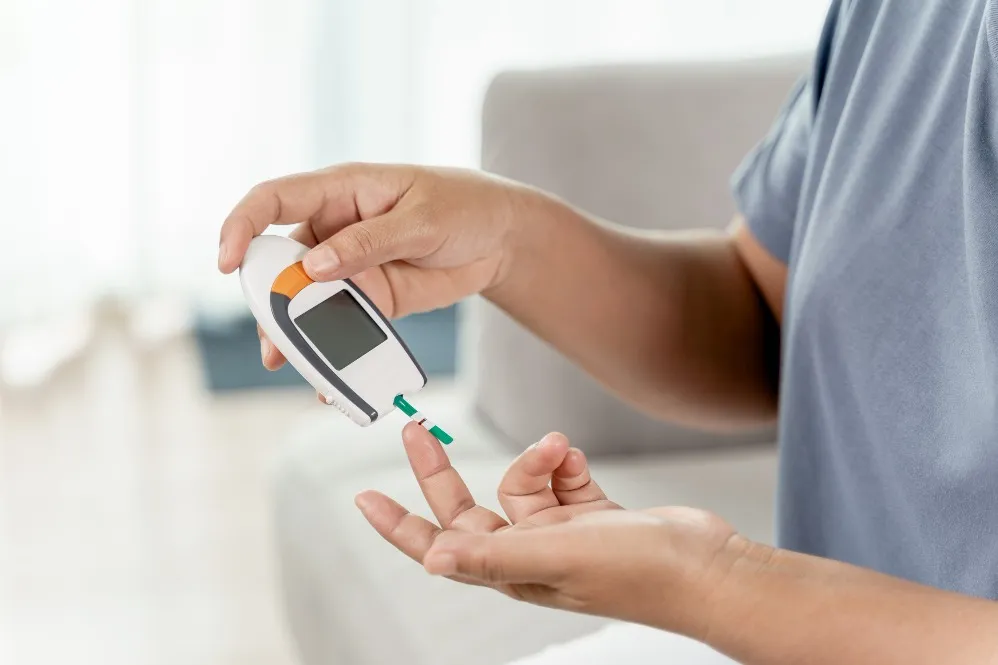
Diabetes management extends far beyond medication. Daily habits influence blood sugar levels just as much as prescriptions do. Healthy eating, regular physical activity, quality sleep, stress management, and routine medical monitoring all work together to improve glucose control. Effective diabetes lifestyle management helps reduce complications while allowing individuals to lead active and fulfilling lives.
Many people in Seawoods discover that sustainable lifestyle improvements produce lasting health benefits when combined with professional medical care.
Lifestyle Is a Foundation of Diabetes Care
Whether someone has prediabetes, type 2 diabetes, or insulin-dependent diabetes, lifestyle choices remain an essential part of treatment.
Positive daily habits can help:
- Improve insulin sensitivity
- Stabilise blood sugar levels
- Reduce body weight
- Lower blood pressure
- Improve cholesterol levels
- Support heart health
- Increase energy levels
Even modest improvements can contribute significantly to long-term health.
Building a Balanced Eating Pattern
There is no single diet suitable for every individual with diabetes.
Instead, doctors encourage balanced nutrition based on individual preferences, health conditions, and treatment goals.
Helpful dietary habits include:
- Eating more vegetables
- Choosing whole grains
- Including lean sources of protein
- Limiting sugary beverages
- Reducing highly processed foods
- Controlling portion sizes
Consistency often matters more than strict restrictions.
Physical Activity Supports Better Glucose Control
Exercise allows muscles to use glucose more efficiently while improving insulin sensitivity.
Many adults benefit from:
- Brisk walking
- Cycling
- Swimming
- Strength training
- Yoga
- Stretching exercises
The ideal activity depends on age, fitness level, and any existing medical conditions.
The Often Overlooked Role of Sleep
Poor sleep can make blood sugar more difficult to control.
Healthy sleep habits include:
- Maintaining a consistent bedtime
- Limiting screen use before sleeping
- Avoiding heavy late-night meals
- Creating a comfortable sleep environment
Adequate rest supports hormonal balance and overall metabolic health.
Managing Stress Helps Diabetes Too
Stress hormones can increase blood glucose even when diet remains unchanged.
Effective stress management may involve:
- Deep breathing exercises
- Meditation
- Walking outdoors
- Spending time with family
- Pursuing enjoyable hobbies
Reducing stress benefits both physical and emotional wellbeing.
Monitoring Progress Regularly
Lifestyle improvements should be supported by regular health assessments.
Doctors typically review:
- Blood sugar records
- HbA1c results
- Blood pressure
- Weight
- Kidney function
- Cholesterol
- Foot health
Regular follow-up helps identify areas that may need adjustment before complications arise.
Working With a Diabetes Specialist
Every person's health goals and medical needs are different. personalized guidance allows lifestyle recommendations to be realistic and sustainable rather than overwhelming.
Many individuals seeking diabetes lifestyle management in Seawoods choose Dr. Arif Sheikh for comprehensive care that combines medical treatment with practical advice tailored to everyday life. The clinic focuses on helping patients make gradual, achievable improvements supported by ongoing medical supervision. More information about diabetes care services is available through drarifsheikh.com.
Successful diabetes lifestyle management is not about perfection. It is about making consistent, informed choices that improve blood sugar control, reduce future complications, and support better overall health one day at a time.
Keywords