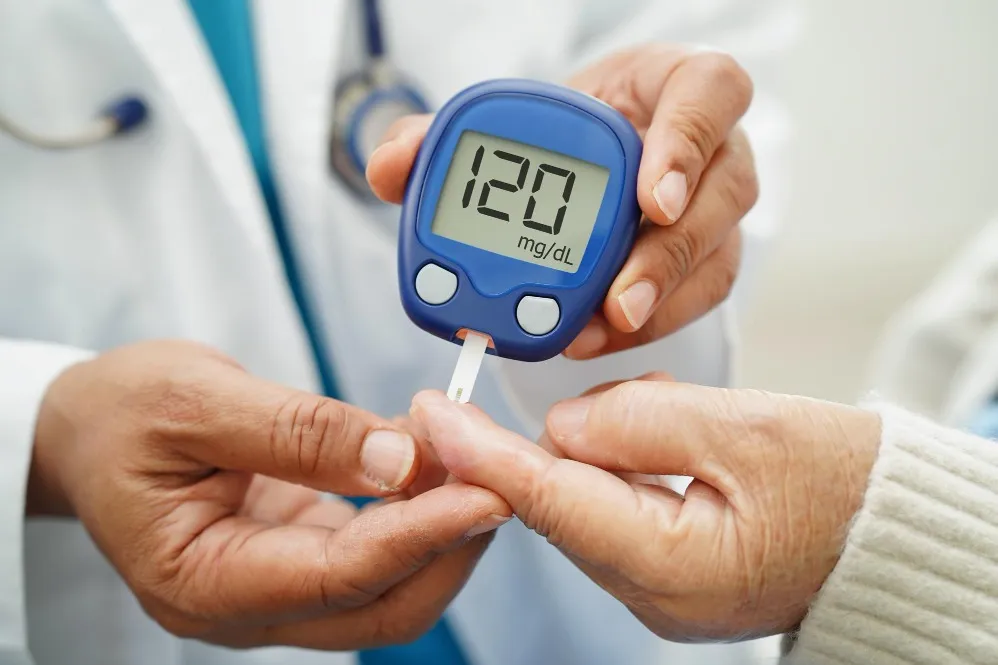
Diabetes is a long-term condition that affects multiple organs when blood sugar remains uncontrolled for extended periods. While many people associate diabetes only with high glucose levels, the real concern lies in its potential complications involving the heart, kidneys, eyes, nerves, and blood vessels. Timely diabetes complications treatment focuses on early detection, slowing disease progression, and preserving overall health.
Residents of Ghansoli who receive regular diabetes monitoring often identify complications at an earlier stage, making treatment more effective and reducing the risk of permanent damage.
Understanding How Complications Develop
Persistently elevated blood sugar gradually damages blood vessels throughout the body. This damage affects the delivery of oxygen and nutrients to important organs, leading to structural and functional changes over time.
The likelihood of complications increases when diabetes remains poorly controlled for several years, particularly if accompanied by high blood pressure, elevated cholesterol, smoking, or obesity.
Common Diabetes Complications
Diabetes can affect almost every major body system.
Some of the most common complications include:
- Diabetic neuropathy causing numbness and tingling
- Kidney disease affecting filtration function
- Diabetic retinopathy leading to vision problems
- Coronary artery disease
- Stroke
- Foot ulcers
- Delayed wound healing
- Recurrent infections
Recognising these conditions early allows treatment before irreversible damage occurs.
Symptoms That Should Prompt Medical Evaluation
Although some complications develop silently, others produce noticeable warning signs.
Seek medical advice if you experience:
- Persistent numbness in the hands or feet
- Burning sensations in the legs
- Blurred vision
- Swelling in the feet
- Frequent infections
- Slow-healing wounds
- Chest discomfort
- Shortness of breath
- Unexplained fatigue
Ignoring these symptoms may delay necessary treatment.
Preventing Complications Through Regular Monitoring
Routine health evaluations remain one of the best strategies for preventing severe diabetes-related complications.
Doctors commonly recommend:
- HbA1c testing
- Blood pressure monitoring
- Kidney function tests
- Cholesterol assessment
- Comprehensive eye examinations
- Foot evaluations
- Cardiovascular risk assessment
Regular monitoring helps detect small changes before they become major health concerns.
Treatment Is More Than Blood Sugar Control
Managing complications often requires a comprehensive approach.
Treatment may include:
- Optimising blood glucose levels
- Blood pressure management
- Cholesterol-lowering therapy
- Lifestyle modification
- Nutritional counselling
- Specialist referrals when required
- Regular follow-up assessments
Each treatment plan is customised according to the organs affected and the patient's overall health.
Healthy Habits Continue to Matter
Even after complications develop, lifestyle improvements remain beneficial.
Patients are encouraged to:
- Follow balanced nutrition
- Exercise regularly
- Avoid tobacco
- Limit alcohol intake
- Maintain a healthy weight
- Take medications consistently
- Attend follow-up appointments
Long-term commitment to these habits supports better treatment outcomes.
Comprehensive Medical Care Improves Long-Term Outcomes
Managing diabetes complications requires careful coordination between medical treatment and preventive care.
Many patients in Ghansoli consult Dr. Arif Sheikh for comprehensive diabetes management, including early detection of complications, ongoing monitoring, and individualized treatment planning. By combining clinical expertise with preventive strategies, the clinic helps patients protect their long-term health. Further information about available diabetes services can be found through drarifsheikh.com.
Diabetes complications do not develop overnight, and many can be delayed or minimized through regular medical care. Early diagnosis, appropriate treatment, and consistent self-care remain the strongest foundation for preserving health and quality of life.
Keywords