High blood pressure is often called a silent condition because it may not produce noticeable symptoms until complications develop. Left untreated, hypertension can increase the risk of heart disease, stroke, kidney damage, and vision problems. Visiting a Hypertension Treatment Clinic allows individuals to receive a proper diagnosis, identify underlying causes, and develop a long-term management plan tailored to their health needs.
For adults living in Navi Mumbai, regular blood pressure monitoring has become increasingly important as lifestyle-related conditions such as diabetes, obesity, and stress continue to rise.
Why High Blood Pressure Should Never Be Ignored
Blood pressure measures the force of blood pushing against artery walls. When this pressure remains consistently high, the heart must work harder to circulate blood throughout the body.
Over time, uncontrolled hypertension can damage:
- The heart
- Brain
- Kidneys
- Eyes
- Blood vessels
Many people discover they have hypertension only during routine health check-ups, making regular screening an essential preventive measure.
Common Risk Factors
Several factors increase the likelihood of developing high blood pressure.
These include:
- Family history of hypertension
- Diabetes
- Excess body weight
- High salt intake
- Physical inactivity
- Smoking
- Excessive alcohol consumption
- Chronic stress
- Advancing age
Understanding these risks helps individuals adopt preventive measures before complications occur.
Symptoms May Not Always Be Present
Most people with hypertension experience no symptoms.
However, some individuals may notice:
- Persistent headaches
- Dizziness
- Blurred vision
- Fatigue
- Shortness of breath
- Chest discomfort
These symptoms should never replace regular blood pressure monitoring, as hypertension frequently progresses silently.
How Hypertension Is Diagnosed
Diagnosis involves more than a single blood pressure reading.
Doctors may recommend:
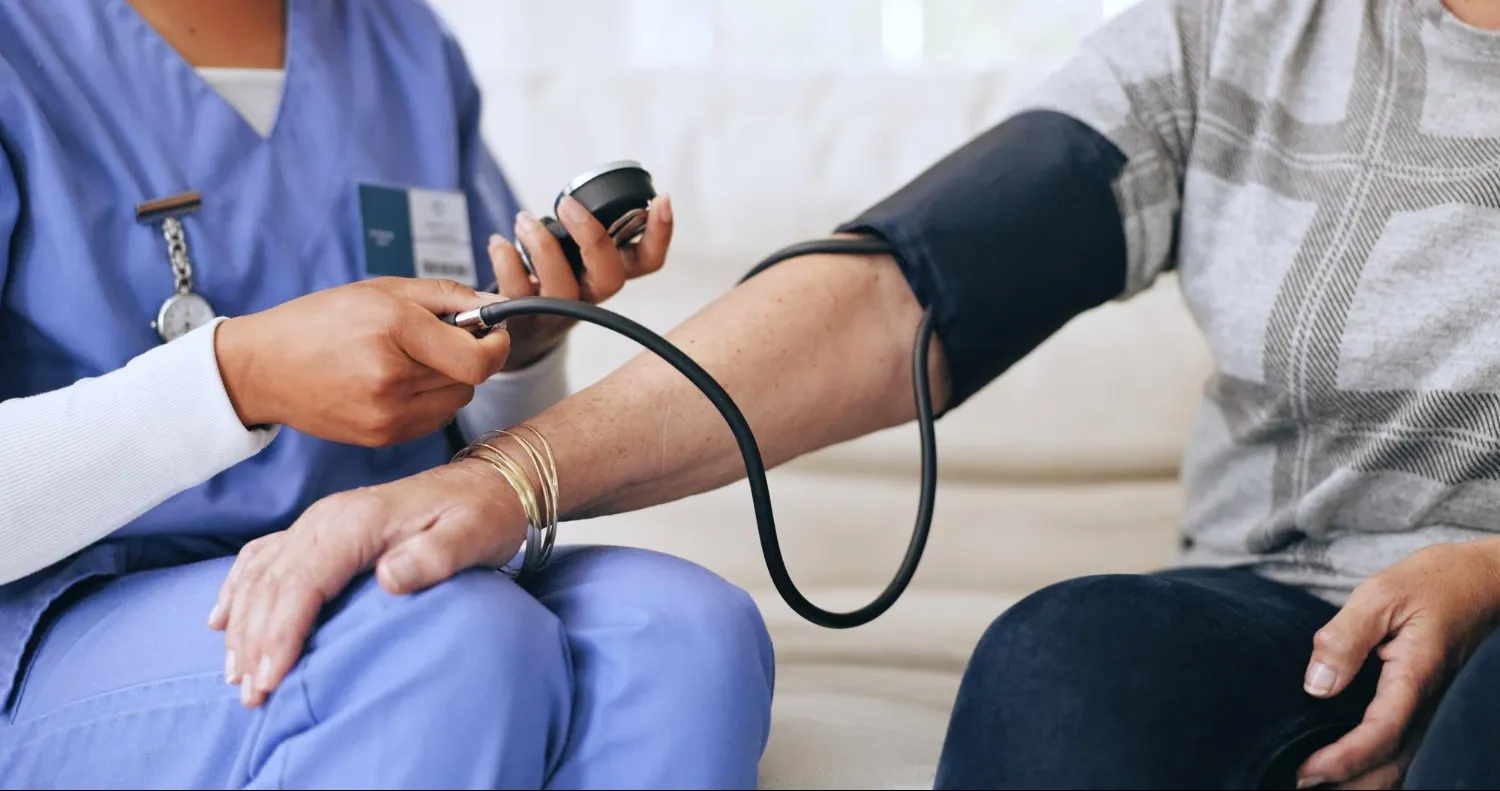
- Multiple blood pressure measurements
- Home blood pressure monitoring
- Blood investigations
- Kidney function tests
- Electrocardiogram (ECG)
- Cardiac evaluation when appropriate
These investigations help determine the severity of hypertension and identify any related health concerns.
Treatment Involves More Than Medication
While medication is important for many patients, long-term blood pressure control also depends on healthy daily habits.
Lifestyle recommendations often include:
- Reducing dietary salt
- Eating more fruits and vegetables
- Maintaining a healthy body weight
- Exercising regularly
- Limiting alcohol intake
- Avoiding tobacco products
- Managing stress effectively
Combining lifestyle improvements with appropriate medication often provides the best results.
Why Regular Follow-Up Matters
Blood pressure can change over time due to age, medications, illness, or lifestyle factors.
Routine follow-up appointments allow doctors to:
- Review blood pressure trends
- Adjust medications if required
- Monitor kidney and heart health
- Assess treatment effectiveness
- Reduce long-term cardiovascular risk
Ongoing monitoring helps prevent complications before they become serious.
Choosing the Right Medical Support
Managing hypertension requires consistent care rather than occasional treatment. A structured approach allows doctors to address both blood pressure and associated conditions such as diabetes and heart disease.
Many patients seeking care at a Hypertension Treatment Clinic in Navi Mumbai consult Dr. Arif Sheikh for comprehensive evaluation, cardiovascular risk assessment, and personalized treatment planning. The clinic focuses on long-term disease prevention alongside effective blood pressure management, with further information available through drarifsheikh.com.
Controlling hypertension is one of the most effective ways to protect the heart, kidneys, brain, and blood vessels. Early diagnosis, regular monitoring, and sustained lifestyle improvements remain the foundation of lifelong cardiovascular health.
Keywords