A persistently fast heartbeat, unexplained weight loss, tremor, heat intolerance and increased sweating can occur with an overactive thyroid, but these symptoms can also have other causes. Consulting a Hyperthyroidism Specialist becomes particularly important when blood tests suggest excessive thyroid hormone activity or symptoms are becoming difficult to manage.
For patients in Vashi, Maharashtra, early clinical assessment can help clarify the cause and determine the appropriate treatment pathway.
Understanding Hyperthyroidism
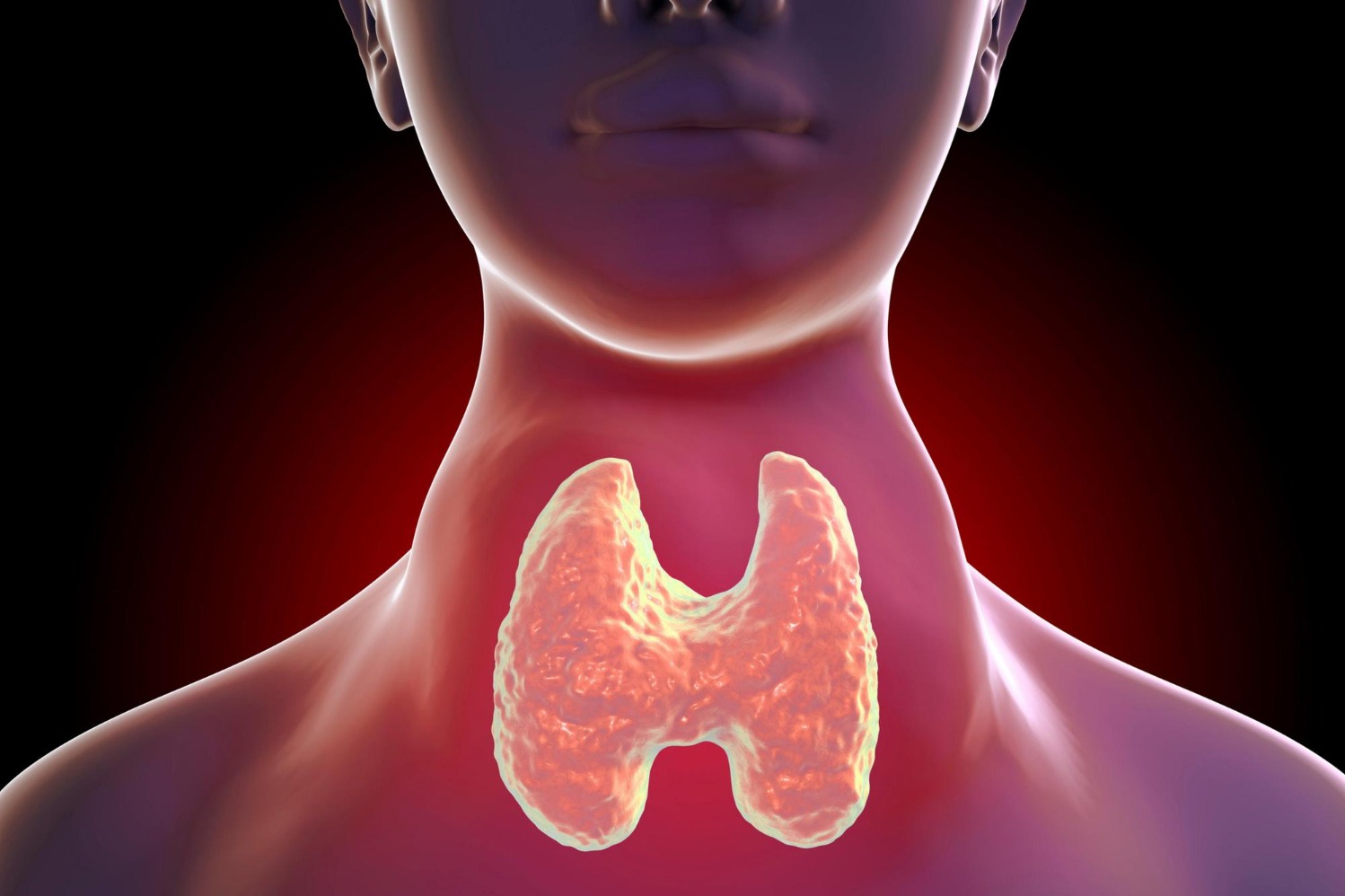
Hyperthyroidism occurs when the body is exposed to excessive thyroid hormone activity.
There are several potential causes, and treatment depends on identifying the underlying reason. This is why treatment should not be selected from symptoms alone.
A physician may review thyroid test results, medications, supplements, family history, neck symptoms and cardiovascular complaints.
Why Heart Symptoms Matter
Excess thyroid hormone can affect heart rate and rhythm.
Patients may notice palpitations or a persistently rapid pulse. People with existing cardiovascular disease or other medical conditions may require particularly careful assessment.
Severe symptoms should not be ignored.
How Evaluation Is Performed
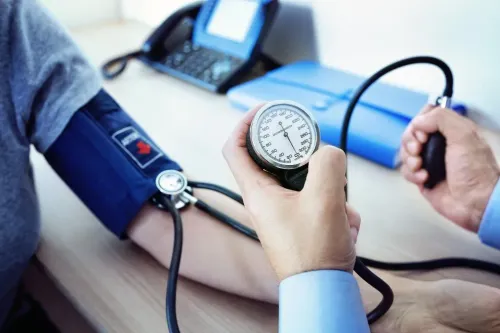
The assessment can include examination of the pulse, blood pressure, neck and other clinical features.
Blood tests are central to confirming thyroid dysfunction. Additional investigations may be recommended depending on the suspected cause.
Dr. Arif Sheikh's background in internal medicine and non-invasive cardiology can support assessment of patients presenting with thyroid-related symptoms alongside cardiovascular concerns in Vashi.
Treatment Options Depend on the Cause
Management may involve medicines that reduce thyroid hormone production or control certain symptoms. Other treatments may be considered for selected patients depending on diagnosis, disease course and specialist recommendations.
There is no single procedure suitable for every case.
Recovery and Monitoring
Improvement may occur gradually rather than immediately.
Repeat blood tests help assess treatment response. Even if symptoms improve, laboratory monitoring remains important because hormone levels may not yet have fully stabilized.
Benefits and Potential Risks
Effective management aims to restore appropriate thyroid hormone activity and reduce complications associated with uncontrolled hyperthyroidism.
Treatment itself can have medicine-specific risks. Patients should understand what symptoms need prompt medical attention and what laboratory monitoring is required.
Preparing for Consultation
Bring previous thyroid function reports, prescriptions and details of supplements.
After treatment begins, take medicines at the prescribed dose and attend scheduled monitoring. Do not discontinue medication because palpitations or tremor have improved.
Frequently Asked Questions
Can hyperthyroidism affect body weight?
Yes. Unintentional weight loss can occur, although weight loss has many possible causes.
Can it affect the heart?
Hyperthyroidism can influence heart rate and rhythm, making cardiovascular assessment important in appropriate patients.
How long does treatment take?
The timeline depends on the cause, treatment selected and individual response.
Patients looking for a Hyperthyroidism Specialist in Vashi should prioritize accurate diagnosis, appropriate monitoring and coordinated management of both thyroid and cardiovascular effects.
Keywords