
Excess body weight and Type 2 diabetes often influence each other through complex metabolic mechanisms. Effective Diabetes Weight Management therefore involves much more than simply telling someone to eat less. A safe plan considers glucose medicines, dietary patterns, physical activity, sleep, associated medical conditions and realistic weight goals.
For patients in Nerul, Maharashtra, medically guided weight management can form an important part of comprehensive diabetes care.
Why Weight Matters in Type 2 Diabetes
For some people with excess weight and Type 2 diabetes, clinically meaningful weight reduction can improve insulin sensitivity and metabolic health.
However, the appropriate target differs between individuals.
Rapid weight-loss programmes are not automatically better. A plan must remain nutritionally adequate and compatible with diabetes medication.
What a Medical Weight Assessment Includes
A consultation may review:
- Current weight and weight history
- Dietary habits
- Physical activity
- Diabetes duration
- Glucose readings
- Current medicines
- Blood pressure
- Cholesterol
- Sleep patterns
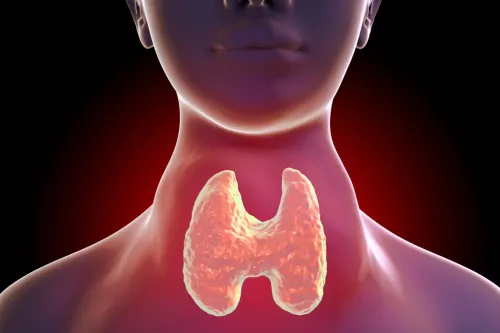
- Relevant thyroid concerns
- Other medical conditions
Dr. Arif Sheikh can evaluate weight management within the broader context of diabetes and chronic disease care for patients in Nerul.
Building a Practical Plan
Dietary changes should be sustainable enough to continue in everyday life.
Appropriate physical activity is also important. The type and intensity depend on age, current fitness, cardiovascular status, joint problems and other health factors.
Medication review may be relevant because different diabetes treatments can have different effects on weight and hypoglycaemia risk.
How Long Does Weight Management Take
Healthy weight management is generally gradual.
The early weeks may involve learning portion control, establishing an activity routine and identifying eating patterns that make glucose management difficult.
Progress should be evaluated using more than the weighing scale. Glucose control, waist measurements, blood pressure, fitness and adherence can also provide useful information.
Benefits Beyond the Scale
Appropriate weight reduction in people who are overweight can support metabolic health, mobility and cardiovascular risk management.
It may also make healthy physical activity easier to maintain.
The objective should remain improved overall health rather than achieving an arbitrary appearance-based target.
Risks of Aggressive Weight Loss
Extreme calorie restriction, unmonitored fasting and unregulated weight-loss products can create problems, especially for people taking diabetes medication.
Changes in food intake and exercise may alter glucose levels and increase the risk of hypoglycaemia with certain treatments.
Before and After Starting a Programme
Before making substantial changes, document current medicines, glucose readings, food habits and activity levels.
Once the plan begins, monitor glucose according to medical advice and report repeated low readings. Medication adjustments should be made through clinical review.
Frequently Asked Questions
Does losing weight always reduce blood glucose?
Weight reduction can improve metabolic health in many people with Type 2 diabetes, but individual responses differ.
Should carbohydrates be completely avoided?
No. Dietary planning usually focuses on overall nutrition, carbohydrate quality and quantity, portions and individual glucose response.
Can exercise begin immediately?
Activity recommendations depend on health status and current fitness.
Effective Diabetes Weight Management in Nerul should combine realistic nutrition, safe activity, appropriate glucose monitoring and medical follow-up rather than relying on rapid weight-loss promises.
Keywords