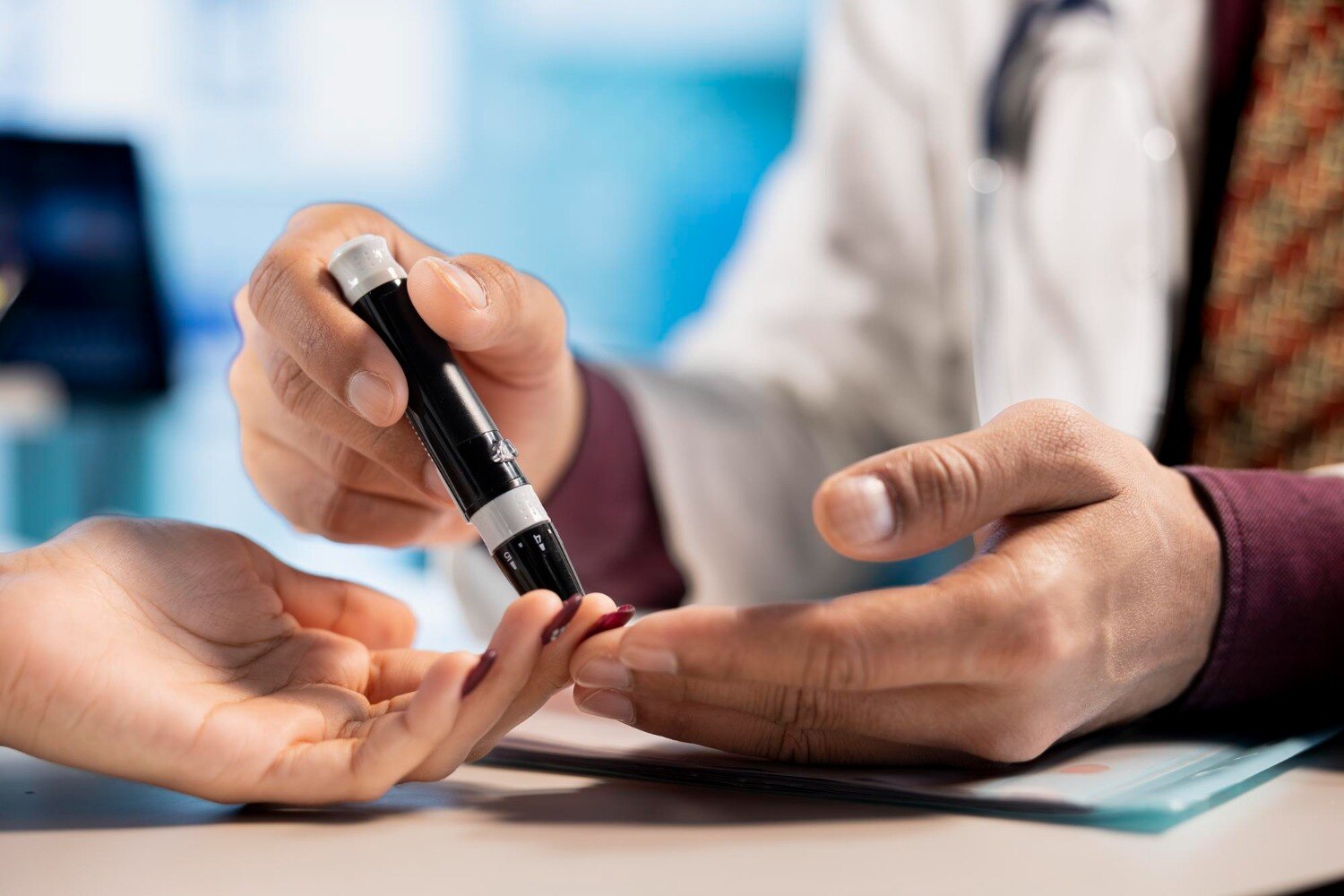
Your first diabetes-clinic appointment is usually an assessment and planning visit, not a single blood-sugar test. Knowing what to bring, whether to fast, which questions you will answer and what happens after an abnormal result will help you arrive prepared and leave with a clear next step.
Key takeaways
- Bring medication details, glucose readings and recent laboratory reports.
- Ask the clinic whether fasting is needed before your appointment.
- Expect registration, medical history, vital signs and a focused physical examination.
- Leave with test results, medication instructions and a follow-up plan.
What should you bring, and do you need to fast?
Bring enough information to show your usual pattern, not just one good or bad reading. For a first diabetes clinic visit, ask what to bring to a diabetes appointment and arrange access to recent laboratory reports, including HbA1c, glucose, kidney and cholesterol results.
- Government identification, insurance details and a list of past diagnoses, surgeries, allergies and hospital visits.
- Every prescription, over-the-counter medicine, vitamin and supplement, plus medicine strips, insulin pens or photographs of their labels.
- Your glucose meter or continuous glucose monitor, along with 7–14 days of readings showing the time, meals, medicines, exercise and symptoms.
- Home blood-pressure readings, weight records, vaccination records and relevant eye, kidney or hospital reports.
- A food, activity and sleep record if these have been difficult to manage.
- The name and contact details of other clinicians involved in your care.
You do not always need fasting before diabetes test appointments. Ask whether blood tests will include fasting plasma glucose or lipids; if fasting is required, the laboratory will usually request 8–12 hours without food, while plain water remains allowed. Do not skip meals or change diabetes medication before appointment unless the clinic gives specific instructions.
If you use insulin or a sulfonylurea and must fast, obtain dosing advice beforehand because taking the usual dose without food can cause hypoglycemia. Take your medicines and glucose supplies with you either way.
What happens from registration to the physical examination?
Registration starts the diabetes appointment process. Staff confirm your identity, record your reason for visiting, and note current medicines, allergies and previous diagnoses. The diabetologist then conducts diabetes history taking before examining you.
| Stage | What happens | Typical diabetologist questions |
|---|---|---|
| Registration | Identity, symptoms and records are checked | Why are you here today? Who diagnosed diabetes, and when? |
| History and medicines | Results, prescriptions, supplements and insulin use are reviewed | What doses do you take? Do you miss doses? Any low-glucose episodes? |
| Lifestyle and risks | Daily habits and complications are discussed | What do you eat, how often do you exercise, and how do you sleep? Do you smoke or drink alcohol? Any family history, pregnancy or financial difficulty obtaining supplies? |
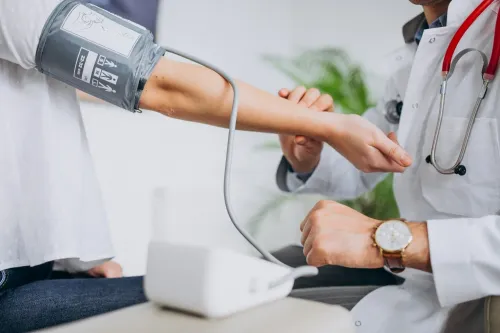
| Measurements | Blood pressure, pulse, weight, waist-related risk and point-of-care glucose are recorded | Have you noticed thirst, frequent urination, blurred vision or unexplained weight change? |
| Physical examination | Injection sites, heart and circulation are assessed | Any pain, numbness, wounds or swelling? |
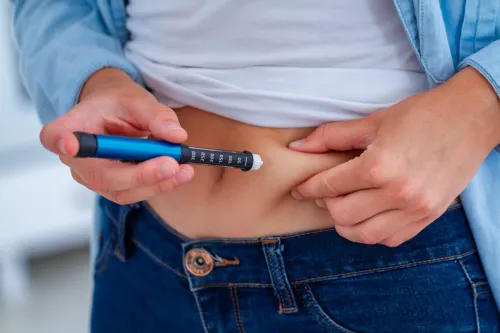
The physical examination may include an injection-site check for lumps or skin changes and a foot examination for diabetes. The clinician inspects skin breakdown and deformity, checks pulses, and tests protective sensation; a monofilament is only one part of this assessment.
You may receive laboratory orders, referrals or lifestyle advice during the same visit. The consultation usually ends with a treatment plan and follow-up date, not a single test result.
Which tests are routine, and which require a specific reason?
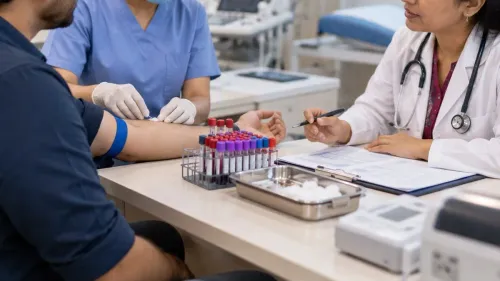
A finger-prick glucose test gives a current reading within minutes. It helps the clinician spot low or high glucose during the appointment, but one result usually cannot diagnose diabetes. Laboratory tests use a venous blood sample, quality controls and formal thresholds.
| Test | What it shows | When it is ordered |
|---|---|---|
| Finger-prick glucose test | Glucose right now | Routine clinic assessment, symptoms, or suspected hypoglycemia |
| HbA1c test | Average glucose over roughly 2–3 months | Routine diagnosis or monitoring; fasting is not needed |
| Fasting plasma glucose | Glucose after at least 8 hours without calories | Diagnosis when diabetes or prediabetes is suspected |
| Oral glucose tolerance test | Two-hour response after an oral glucose tolerance test 75 g glucose drink | Unclear results, suspected gestational diabetes, or selected diagnostic cases |
| Kidney blood test | Estimated filtration rate from serum creatinine | Routine diabetes kidney screening and medication safety |
| Diabetic kidney test urine albumin creatinine ratio | Albumin leakage relative to urine creatinine | Routine kidney screening; an abnormal result is commonly repeated |
| Cholesterol blood test | LDL, HDL and triglycerides | Cardiovascular-risk assessment and treatment planning |
| Autoantibodies and C-peptide | Evidence about insulin production and diabetes type | Only when type 1, type 2 or another form is uncertain |
If a nonpregnant adult has no unequivocal hyperglycemia, an abnormal diagnostic result is usually confirmed on another day. HbA1c can mislead with anemia, hemoglobin variants, recent transfusion, dialysis or pregnancy, so glucose-based testing may replace it.
How will the clinician identify the diabetes type and respond to abnormal findings?
A clinician does not assume that every adult has Type 2 diabetes. They combine symptoms, age, weight history, pregnancy status, medicines, family history and laboratory results before confirming a Type 1 or Type 2 diabetes diagnosis.
If the pattern is unclear, C-peptide and diabetes autoantibodies can show how much insulin your pancreas makes and whether the immune system is attacking insulin-producing cells.
| Type | What the clinician looks for | Likely next step |
|---|---|---|
| Type 1 | Rapid onset, weight loss, ketosis or autoantibodies | Insulin treatment and urgent ketone assessment when unwell |
| Type 2 | Gradual onset, insulin resistance and preserved C-peptide | Lifestyle treatment, glucose-lowering medicine or insulin |
| Prediabetes | Raised glucose below the diabetes threshold | Confirm the prediabetes diagnosis and discuss prevention |
| Gestational | Abnormal glucose testing during pregnancy | A gestational diabetes assessment and pregnancy-specific plan |
| Other diabetes | Steroids, pancreatic disease, genetic syndromes or another condition | Review the cause and adapt treatment |
If hypoglycemia symptoms such as sweating, shaking or confusion occur, the clinician checks the glucose reading, medicine doses, meal timing and kidney function, then treats low glucose and changes the plan. Do not wait for a routine appointment if high glucose comes with vomiting, abdominal pain, deep breathing, confusion, severe dehydration or inability to drink.
These signs can indicate diabetic ketoacidosis or hyperosmolar hyperglycemic state and require emergency assessment. An abnormal urine albumin result is usually repeated, while eye or kidney findings prompt referral or closer monitoring.
What should you leave with after the first visit?
Leave with a written diabetes treatment plan, not just test results. It should state each medicine, dose, timing, glucose targets, monitoring method and what to do if readings remain high or fall low.
- Safety instructions should cover hypoglycemia: recognise sweating, shaking, confusion or weakness; take 15 g of fast-acting carbohydrate when conscious, recheck after 15 minutes, and ask whether glucagon is needed. Vomiting, abdominal pain, deep breathing, confusion or inability to drink requires emergency care, not a routine follow-up.
- Referrals and prevention should be explicit: diabetes nutrition counselling tailored to your food, schedule and budget; diabetic eye screening; kidney screening; foot care; and vaccines such as influenza, COVID-19, pneumococcal or hepatitis B when indicated.
- Book the diabetes follow-up appointment before leaving, with the date, tests to complete and numbers to record at home.
| Decision to confirm | What you should know | Why it matters |
|---|---|---|
| Treatment | What changes today and what stays unchanged | Prevents duplicate or missed doses |
| Referral | Who will provide nutrition, eye or kidney care | A standard clinic examination does not rule out retinopathy |
| Monitoring | When to check glucose and when to call | Catches dangerous highs or repeated lows |
| Continuity | Who reviews results and adjusts treatment | A local clinic such as Dr ARIF SHEIKH can track logs, medicines and referrals across visits rather than restarting the assessment each time |
Frequently asked questions
What should you bring to your first diabetes clinic visit?
Bring recent laboratory reports, glucose readings, a list of medicines and supplements, details of past diagnoses, and information about your usual meals and activity. Include HbA1c, glucose, kidney and cholesterol results when available.
Do you need to fast before a diabetes clinic appointment?
Ask the clinic before your visit. Fasting is not needed for every appointment, but it may be required if the clinician orders fasting glucose or a fasting lipid profile.
What happens during the first diabetes clinic visit?
The visit usually covers registration, medical history, medication review, blood pressure and other vital signs, followed by a focused physical examination and a discussion of tests or treatment.
Which tests are routine at a diabetes clinic?
The clinician may review HbA1c, blood glucose, kidney function, urine albumin and cholesterol. Additional tests require a specific reason, such as symptoms, abnormal findings or uncertainty about the diabetes type.
How does the clinician identify the type of diabetes?
The clinician considers your age at diagnosis, symptoms, body changes, medical history, treatment response and examination findings. C-peptide or diabetes autoantibody tests may be ordered when the type remains unclear.