
A single glucose result cannot show whether treatment is working, whether lows are being missed, or whether diabetes is affecting the kidneys, eyes, nerves and heart. A useful follow-up plan turns home readings, laboratory results, medication experience and complication screening into scheduled decisions, with clear instructions for routine problems and emergencies.
Key takeaways
- Schedule reviews every three months when treatment changes or goals are unmet.
- Bring glucose readings with medication times, meals, symptoms and low readings noted.
- Use repeated patterns, not one glucose result, to guide treatment changes.
- Keep eye, kidney, foot, blood pressure and cholesterol checks on schedule.
What happens at each diabetes follow-up visit?
Most people return every three months when treatment has changed, glucose goals are not being met, or troublesome symptoms or low readings need attention. If your readings and treatment are stable, schedule follow-up at least twice a year. Arrange an earlier review during illness, pregnancy, or a major medication change.
At each visit, bring your meter or CGM report and discuss:
- Fasting and after-meal glucose patterns, time in range, time below range, and the glucose-management indicator
- Medication response, missed doses, side effects, injection technique, medicine access, and hypoglycemia
- Weight, blood pressure, meals, activity, illness, sleep, and symptoms
- Kidney function, cardiovascular risk, vaccinations, and referrals or education due
HbA1c reflects average glucose over roughly the previous two to three months. The HbA1c follow-up interval is about three months after a treatment change or when glucose remains above goal, and about six months when control is stable. A clinician chooses an individualized HbA1c target rather than applying 7% to everyone.
Below 7% suits many nonpregnant adults who can reach it safely; a less stringent goal can reduce harm for people with severe hypoglycemia, substantial comorbidity, frailty, or limited life expectancy. A lower goal can fit a healthy person who achieves it without excessive treatment burden. Pregnancy requires separate targets.
Which glucose record gives the clearest picture?
A single reading cannot show whether glucose rises after meals, falls overnight, or stays high between checks. The clearest record combines daily detail with a longer-term trend, then matches the record to your symptoms, medicines, and treatment goals.
| Record | What it measures | What it helps show |
|---|---|---|
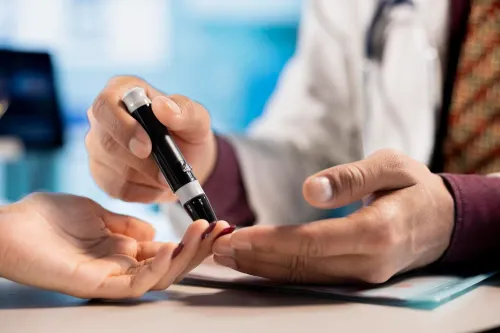
| Finger-stick glucose | Blood glucose at one moment from a meter reading | Fasting levels, post-meal rises, suspected lows, and the effect of a specific dose or meal |
| Continuous glucose monitoring | Glucose in interstitial fluid at frequent intervals | Time in range, time below range, overnight patterns, alerts, and glucose-management-indicator trends |
| HbA1c | HbA1c average glucose over roughly the previous 2–3 months | The broad trend, not daily highs and lows; anemia, hemoglobin variants, recent transfusion, kidney disease, or erythropoietin treatment can distort it |
Bring the record that matches your treatment. A meter or CGM download is more useful than a handwritten “good” or “bad” summary.
- Your meter, app report, or CGM download, including time in range and time below range
- Fasting and two-hour post-meal readings when available
- Insulin or tablet doses, missed doses, meals, exercise, illness, and low-glucose symptoms
- Details of severe or unrecognized lows, driving risks, and access to glucagon
- Your current medicines, questions, and any sensor-access problem or backup plan for sensor failure
When HbA1c conflicts with meter or CGM results, ask the clinician to reconcile the records before changing treatment.
How does a clinician act on a pattern instead of one reading?
A repeated rise after breakfast points to a different problem than one high reading after an unusually large meal. The clinician compares timing, meals, activity, insulin or tablet doses, illness and sleep before changing treatment.
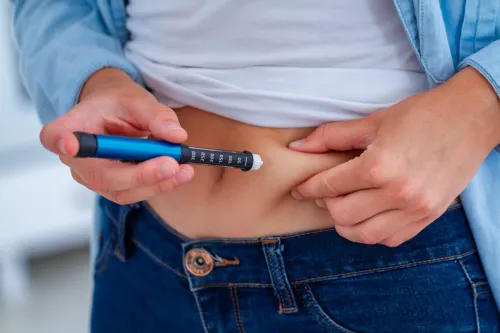
Medication reconciliation checks what you actually take, not only what appears on the prescription. It covers missed diabetes medication doses, dose timing, injection technique, insulin storage, side effects, cost, drug interactions, weight change, kidney function and liver function when relevant. A dose may be moved, reduced, increased or replaced after this review.
The review should answer four practical questions:
- Are readings high before meals, after meals or overnight, and does medication timing match that pattern?
- Are low readings linked to insulin, sulfonylureas, skipped meals, exercise or kidney impairment?
- Do urine albumin-to-creatinine ratio, estimated glomerular filtration rate, blood pressure and cardiovascular risk require organ-protective treatment or a referral?
- Is the plan realistic enough to follow, including medicine access, supplies and diabetes self-management education?
For glucose below 70 mg/dL, use the 15-15 rule glucose approach: take 15 grams of fast-acting carbohydrate, wait 15 minutes, and recheck; repeat if still low. Ask about unrecognised lows, driving risk and glucagon access. Confusion, seizure, unconsciousness or inability to swallow requires emergency help, not food or drink by mouth.
Which complication checks belong in long-term follow-up?
Long-term follow-up uses a risk-based calendar rather than one annual “everything” visit. Results from each check should be carried into the next review, because kidney, eye, foot, nerve and cardiovascular findings can change medication choices, referral timing and self-care advice.
| Check | Usual timing | What the result changes |
|---|---|---|
| Kidneys | Type 2: urine albumin-to-creatinine ratio and eGFR kidney function at least annually. Type 1: begin screening after 5 years. | Persistent albuminuria or falling eGFR affects medication safety, blood-pressure treatment and nephrology referral. |
| Eyes | Type 2: dilated retinal examination at diagnosis. Type 1: within 5 years of onset; repeat intervals follow retinal findings and glucose control. | Retinal photography can screen, but detected abnormalities need comprehensive eye assessment. |
| Feet and nerves | At least annually: skin, deformities, pulses, protective sensation and a 10-g monofilament foot exam plus another neurologic test. | Neuropathy, poor circulation, ulcers or amputation history requires more frequent checks, footwear advice or podiatry care. |
| Cardiovascular | Blood pressure at routine visits; lipids and cardiovascular risk reviewed on a planned schedule. | Results guide risk reduction, including lipid treatment, smoking cessation and exercise advice. |
| Dental and preventive health | Dental reviews, vaccinations and preventive screening remain part of ongoing care. | Gum disease, depression, diabetes distress, food insecurity or medication cost can undermine glucose management and need direct support. |
Bring outside reports and specialist recommendations to each review so no check is repeated or missed. A single normal test does not replace longitudinal surveillance.
When is a diabetes care center especially useful?
A useful center does not wait for the next HbA1c to discover that treatment has stopped working. It checks medication use, side effects, glucose patterns, weight, blood pressure, access to medicines and new symptoms between scheduled tests, then adjusts the follow-up plan.
Expect care coordination rather than a string of disconnected appointments. The team should track referrals to an eye specialist, nephrologist, cardiologist, foot-care professional or dietitian, confirm that reports return, and explain what each result changes. Kidney surveillance includes urine albumin-to-creatinine ratio and estimated glomerular filtration rate, not serum creatinine alone.
Treatment choices should reflect risk as well as glucose. If you have chronic kidney disease, heart failure, or established or high-risk atherosclerotic cardiovascular disease, ask whether an SGLT2 inhibitor or GLP-1 receptor agonist is appropriate for organ-risk reduction, even when your HbA1c is near target.
Expect diabetes self-management education and support when you are diagnosed, annually, after missed goals, during illness, or after a major life or care transition. It should cover medication technique, glucose monitoring, food, activity, problem-solving and coping.
- Sensor users should receive training, interpretation of time in range and time below range, help obtaining supplies, and a backup plan for sensor failure.
- The team should screen for depression, diabetes distress, food insecurity and medicine affordability, because each can derail an otherwise sound plan.
At Dr ARIF SHEIKH, ask who reviews results between visits and how quickly medication or referral decisions are communicated.
Related services
Diabetes Treatment Managing Diabetes: Comprehensive Care for a Healthier Life Diabetes can be overwhelming, but with the right care, you can take control. View service → |
Blood Glucose Checkup Know Your Numbers: Get Your Blood Glucose Checked Take control of your health! A simple blood glucose test can check for: - Diabetes - Pre-diabetes -... View service → |
Frequently asked questions
What happens at each diabetes follow-up visit?
The clinician reviews glucose records, medicines, symptoms, low readings, lifestyle factors and treatment goals, then decides whether monitoring or treatment needs adjustment.
Which glucose record gives the clearest picture?
A dated record linking glucose readings with meal timing, medication doses, exercise, symptoms and low readings gives more context than isolated numbers.
How does a clinician act on a pattern instead of one reading?
The clinician looks for repeated highs or lows at the same time of day, checks possible causes and changes the plan only after interpreting the pattern.
Which complication checks belong in long-term follow-up?
Long-term follow-up includes checks for kidney disease, eye disease, foot problems, blood pressure and cholesterol, alongside routine diabetes monitoring.
When is a diabetes care center especially useful?
It is useful when glucose goals remain unmet, treatment becomes complex, complications need monitoring, or you need coordinated specialist follow-up.