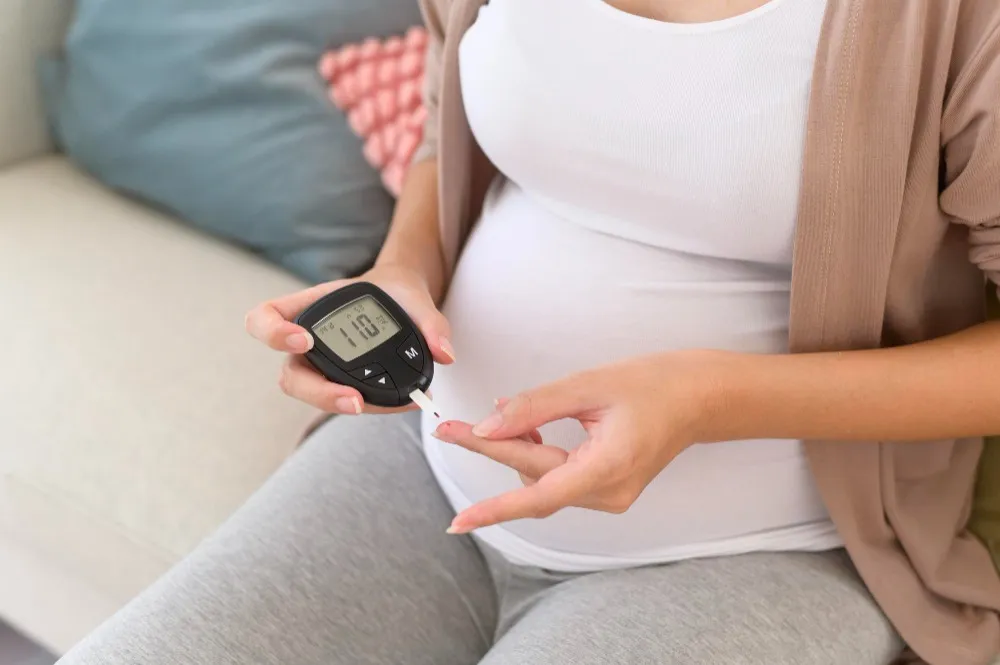
Pregnancy brings many physical and hormonal changes, and one important aspect of prenatal health is monitoring blood sugar levels. Some women develop elevated blood glucose during pregnancy despite having no previous history of diabetes. This condition is known as gestational diabetes and usually develops during the second or third trimester. While it often resolves after childbirth, it requires timely diagnosis and careful management to support the health of both mother and baby.
Expecting mothers in Belapur frequently look for reliable Gestational Diabetes Care to understand their diagnosis, manage blood sugar effectively, and reduce pregnancy-related risks. With regular medical supervision, healthy lifestyle choices, and appropriate monitoring, many women with gestational diabetes go on to have healthy pregnancies and deliveries.
What Is Gestational Diabetes?
Gestational diabetes occurs when pregnancy hormones reduce the body's ability to use insulin effectively. As a result, blood sugar levels rise beyond the normal range. Although the condition develops during pregnancy, it should not be ignored because uncontrolled blood sugar may affect maternal and fetal health.
Unlike Type 1 or Type 2 diabetes, gestational diabetes is directly associated with pregnancy. However, women who experience it have a higher chance of developing Type 2 diabetes later in life, making long-term follow-up important.
Who Is More Likely to Develop Gestational Diabetes?
While any pregnant woman can develop gestational diabetes, certain factors increase the likelihood.
Risk factors include:
- Family history of diabetes
- Being overweight before pregnancy
- Previous gestational diabetes
- Previous delivery of a large baby
- Maternal age above 25 years
- Polycystic Ovary Syndrome (PCOS)
- Sedentary lifestyle
Even women without these risk factors can develop gestational diabetes, which is why routine screening is recommended.
Symptoms May Not Always Be Noticeable
Many women experience no obvious symptoms, making routine testing an essential part of prenatal care.
Some women may notice:
- Increased thirst
- Frequent urination
- Fatigue
- Blurred vision
Since these symptoms may also occur during a normal pregnancy, laboratory testing provides the most reliable diagnosis.
Why Early Detection Matters
Timely diagnosis allows healthcare providers to manage blood sugar before complications develop.
Proper management helps reduce the chances of:
- Excessive fetal growth
- Difficult delivery
- Premature birth
- High blood pressure during pregnancy
- Low blood sugar in newborns
- Increased likelihood of Caesarean delivery
Early intervention also supports healthier pregnancy outcomes for both mother and baby.
How Is Gestational Diabetes Diagnosed?
Most pregnant women undergo glucose screening between 24 and 28 weeks of pregnancy. Women with higher risk factors may be tested earlier.
Evaluation may include:
- Oral glucose tolerance test (OGTT)
- Fasting blood sugar
- Post-meal blood sugar testing
- HbA1c in selected situations
Healthcare providers interpret these results along with the overall pregnancy profile.
Managing Blood Sugar During Pregnancy
Treatment plans are individualized depending on blood sugar levels and overall pregnancy health.
Management often includes:
- Personalized meal planning.
- Regular blood glucose monitoring.
- Safe physical activity recommended during pregnancy.
- Monitoring fetal growth.
- Medication or insulin if clinically indicated.
- Regular antenatal follow-up.
Many women successfully control gestational diabetes through healthy eating and lifestyle modifications under medical supervision.
Healthy Lifestyle Tips
Small daily habits can contribute to better blood sugar control.
Helpful practices include:
- Eating balanced meals at regular intervals
- Including fibre-rich foods
- Choosing whole grains
- Staying physically active after medical approval
- Drinking adequate water
- Avoiding sugary beverages
- Following scheduled prenatal appointments
These measures should always be adapted according to individual medical advice.
What Happens After Delivery?
Blood sugar often returns to normal after childbirth, but follow-up remains important.
Women are generally advised to:
- Repeat glucose testing after delivery
- Maintain a healthy weight
- Continue regular exercise
- Eat a balanced diet
- Undergo periodic diabetes screening
Long-term monitoring helps identify future diabetes risk at an early stage.
For women seeking Gestational Diabetes Care in Belapur, Dr. Arif Sheikh provides comprehensive diabetes assessment, pregnancy-related blood sugar management, and ongoing follow-up in coordination with obstetric care. Patients can also explore educational resources through drarifsheikh.com to better understand diabetes management before, during, and after pregnancy.
Keywords